


Traditional satellite imagery can show a ship. Wyvern’s hyperspectral satellites can reveal what it is made of. “Deception is the way modern warfare is waged these days. Hyperspectral sees through deception.”
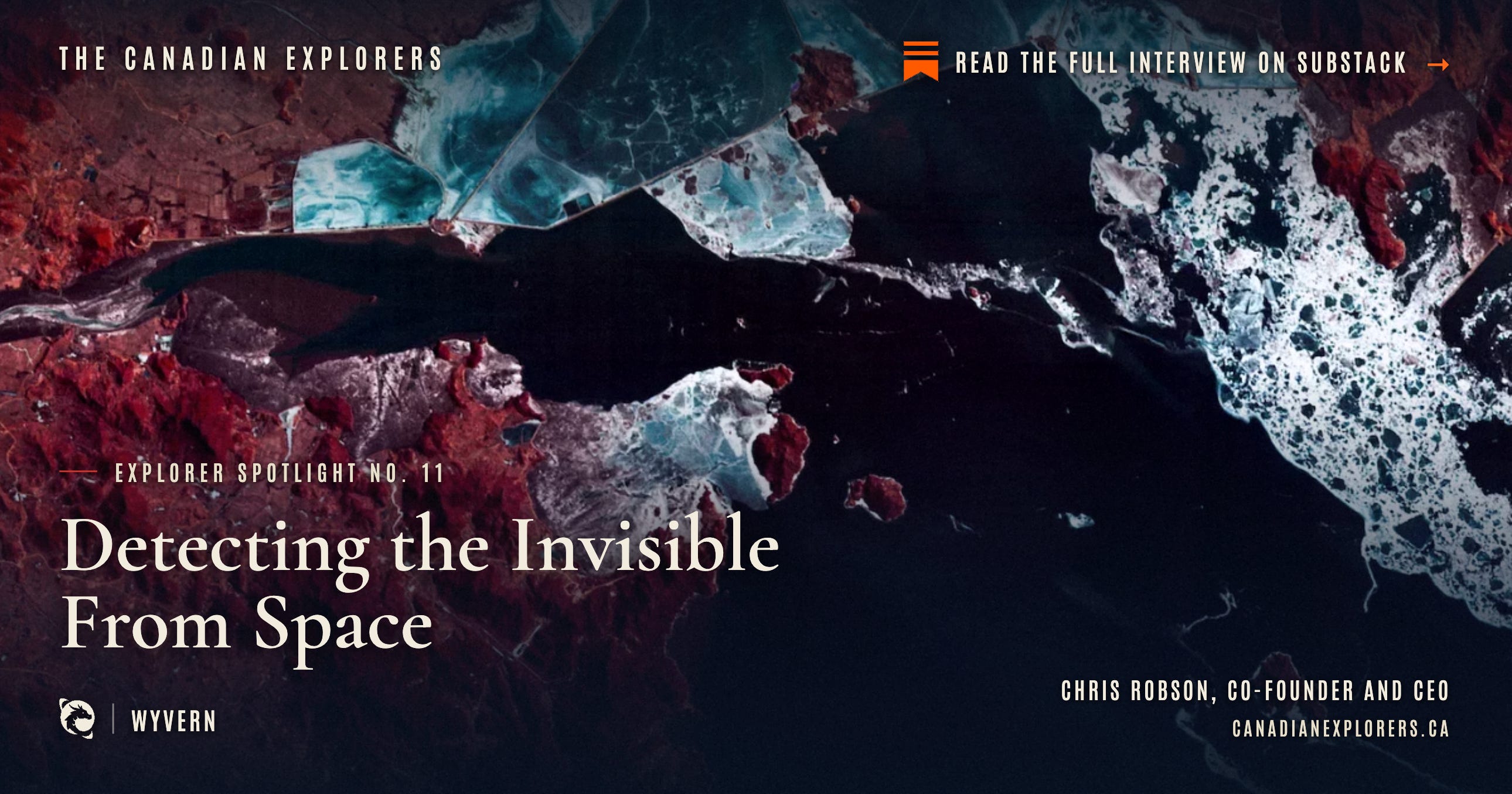
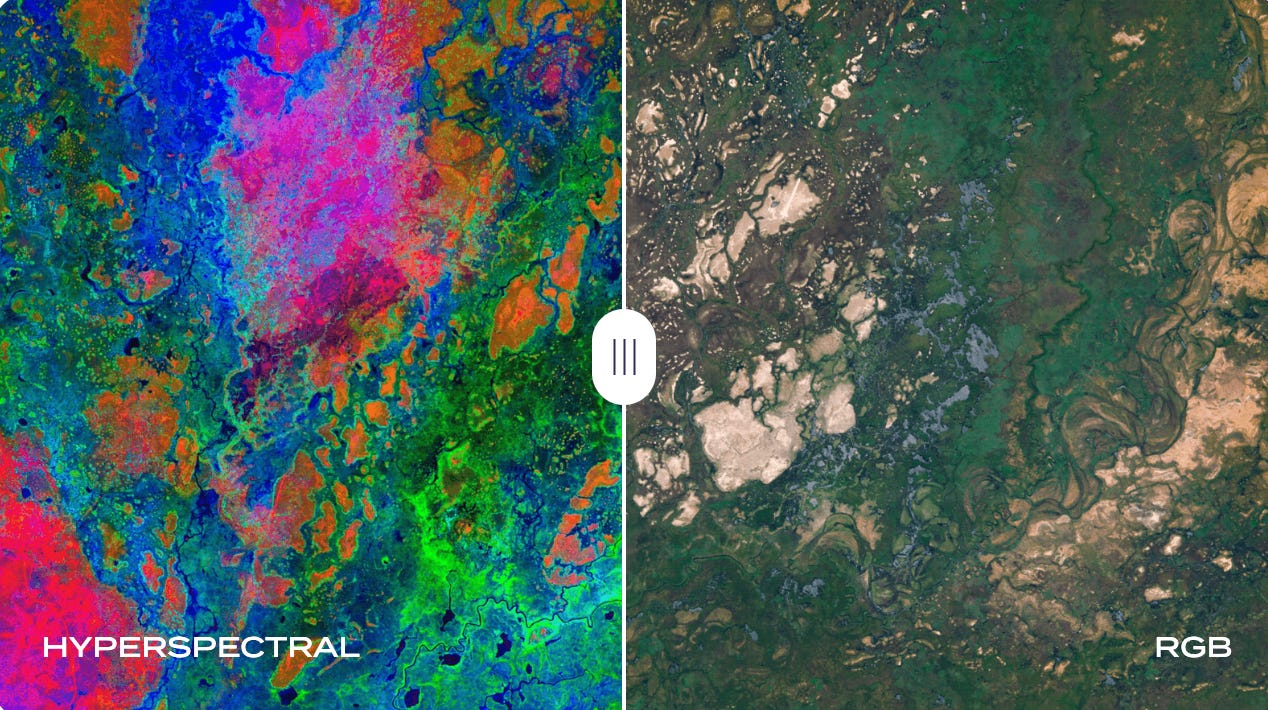
Wyvern is an Edmonton-based space intelligence company which launched the world’s first commercial hyperspectral satellites in 2023. While traditional satellites can provide an image of what a target looks like (shape, size, and colour), Wyvern’s hyperspectral satellites can reveal what the target is made of (material and chemical signature). This allows Wyvern to detect camouflage and provide operators with more information for decision-making. Hyperspectral imagery can detect what is invisible to the human eye.
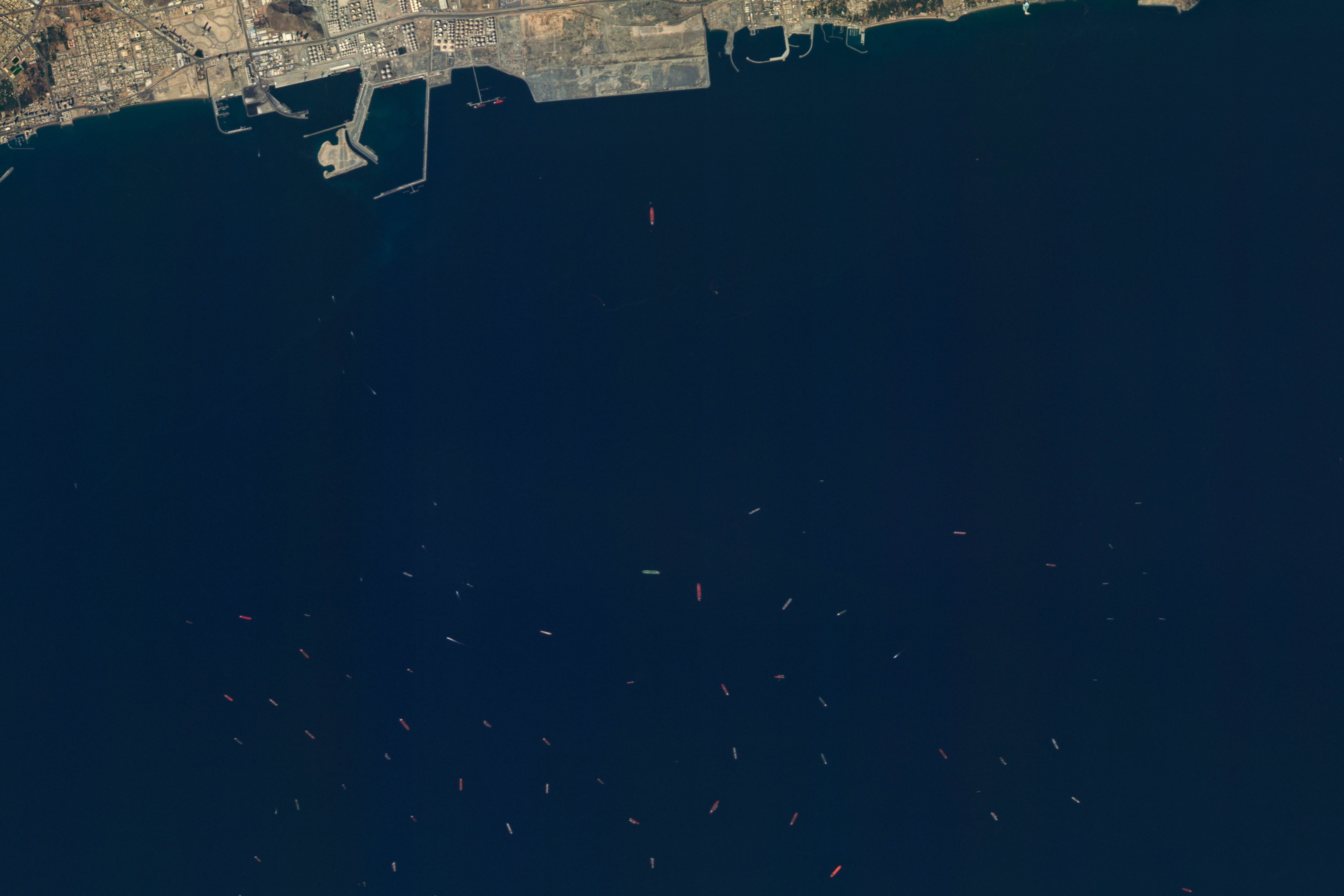
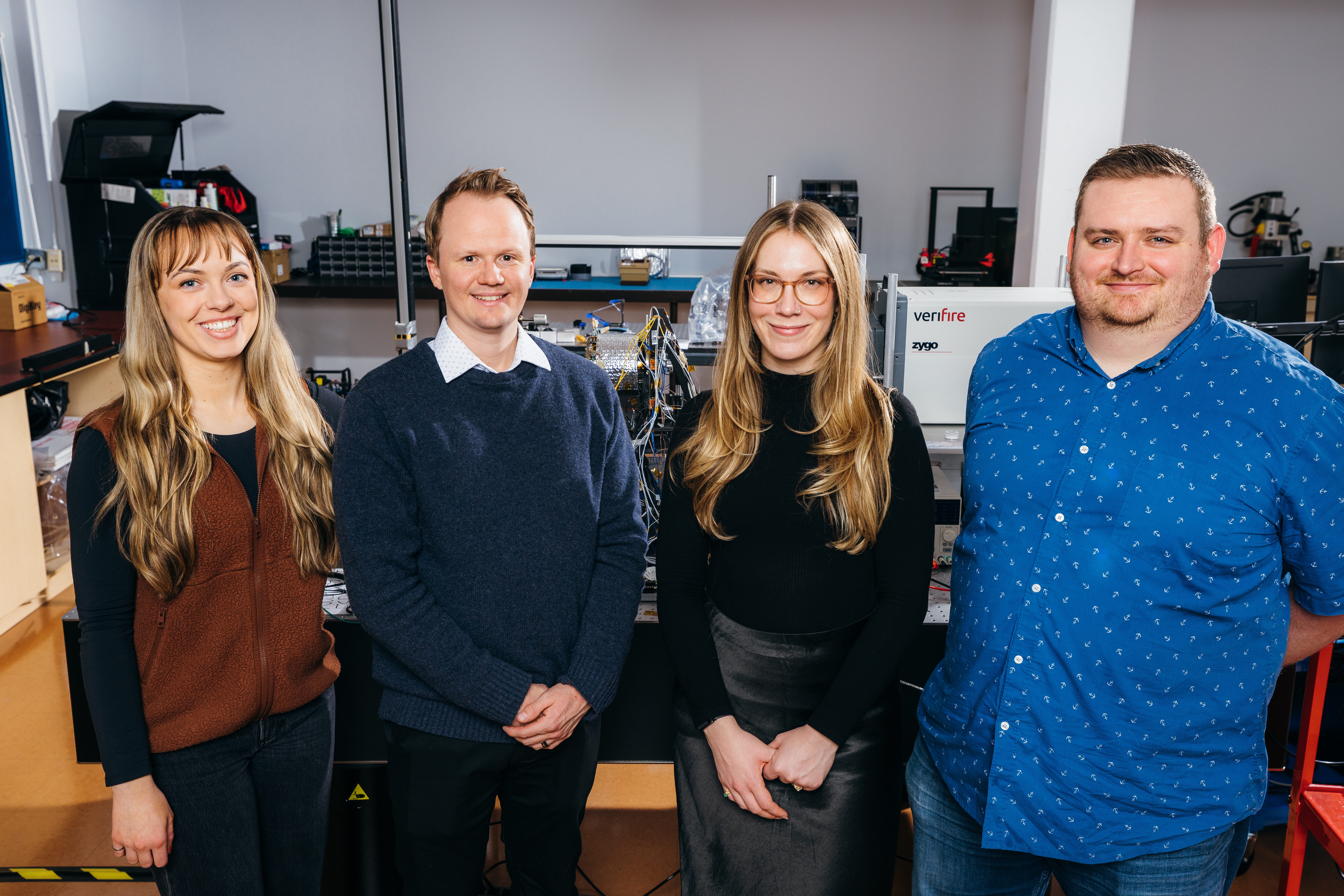
The company was founded in 2018 by Chris Robson, Kristen Cote, Kurtis Broda, and Callie Lissinna, and now serves industries including agriculture, defence & national security, forestry, energy, ESG, and mining. The use cases can range from detecting methane leaks and monitoring wildfire damage to identifying threats in military environments. Its primary defence application is ship identification, distinguishing vessels that disable their transponders, obscure their identities or operate secretly.
“Space is a war domain. And if we can’t deploy assets there, then we’re vulnerable.”
In Winter 2022, Wyvern participated in the world’s largest startup accelerator, Y Combinator (YC) (which briefly removed Canada from its list of approved incorporation locations earlier this year). In 2022, Wyvern used that momentum to raise capital from American investors while remaining headquartered in Canada. More Canadian-founded defence-tech startups have since joined YC, including Greypoint Industries in the Summer 2026 batch.
As Canada undertakes its largest increase in defence spending since the Second World War, Wyvern represents a successful example of a Canadian company maintaining its roots. It has done so despite explicit pressure from investors to relocate to the United States.
“There’s no reason why you can’t raise capital in the United States and stay in Canada. That’s what we did.”
Wyvern’s Dragonette constellation began launching in 2023. The company is now selling data and intelligence services in defence and agriculture. NASA selected Wyvern in June for its Commercial Satellite Data Acquisition program, allowing authorized U.S. government users to purchase its archived data and task its satellites. BetaKit reported that Wyvern is the first pre-Series A company admitted to the program and the second Canadian-headquartered participant after GHGSat. In February, NordSpace Ventures, the investment arm of Canadian launch company NordSpace, announced a strategic investment in Wyvern, opening a pathway toward future Canadian launches and closer partnership.
“There’s never been a better time to be a space company in Canada.”
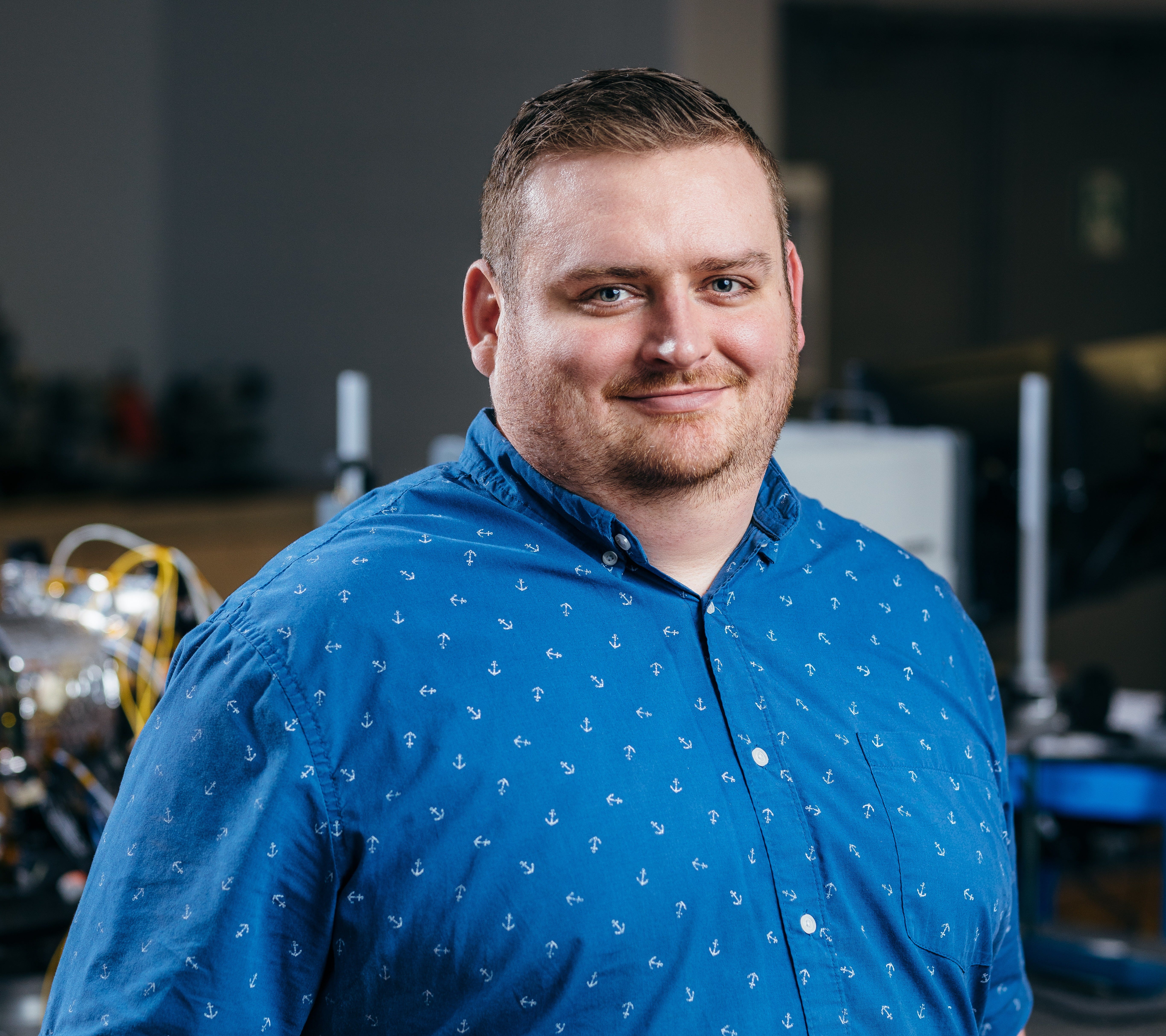
I spoke with the CEO and co-founder of Wyvern, Chris Robson, about identifying deceptive vessels from space, selling into Five Eyes markets, resisting pressure to relocate to the United States, Canada’s launch vulnerability and why Canadian founders can raise American capital without leaving the country.
“The only way you can do that is by building here and trying to build the future you want to see.”
What is Wyvern building, and why does it matter for Canada?
“Wyvern is building space-intelligence infrastructure, particularly focused on very-high-resolution hyperspectral and other intelligence, surveillance and reconnaissance capabilities. Right now, Canada relies on foreign governments and foreign assets for its intelligence, surveillance and reconnaissance capabilities. We really only have the RADARSAT Constellation Mission for synthetic-aperture radar, but it’s very limited. When I say limited, let’s imagine that you’re trying to help Ukraine, you’re a soldier in the field, or you’re looking at what’s going on in Iran. Synthetic-aperture radar will tell you the shape of something; that something is there. What we’re doing, high-resolution hyperspectral imagery, will tell you what something is, because we can detect, identify and measure the chemical and material makeup. Some good examples are that we’re able to uniquely identify ships, measure nitrogen in a crop, and tell you the species and subspecies of a tree. These are all really important for Canada’s defence and security, but also its economic success. We’ve got the largest coastline in the world. We’re a huge nation, and we don’t have the capability to monitor or measure it as thoroughly and as regularly as we need to. There’s no Canadian capability that exists.
The other reason why we exist is that our technology allows us to launch things that are much smaller and much cheaper than if you launched a regular telescope. We have this technology called deployable optics. That means we can launch on Canadian sovereign launch vehicles without having to rely on somebody like SpaceX, Blue Origin or some of the other launch-vehicle providers.”
Which markets are showing the most demand?
“Defence and intelligence, and agriculture.”
What capabilities are you unlocking for those industries?
“Right now, the biggest capability we’re unlocking for defence and intelligence is ship identification. There are tons of dark ships in the world. They skirt international sanctions and operate in a clandestine fashion. Deception is the way modern warfare is waged these days. Hyperspectral sees through deception. We can identify a ship based on the fingerprint it makes in light. That’s what hyperspectral allows you to do. You could have a ship that says, ‘I’m X.’ With our hyperspectral imager, we can say, ‘No, that’s not X. They’re lying to you. This is Y.’ That’s the biggest capability we’re providing to defence and intelligence right now.
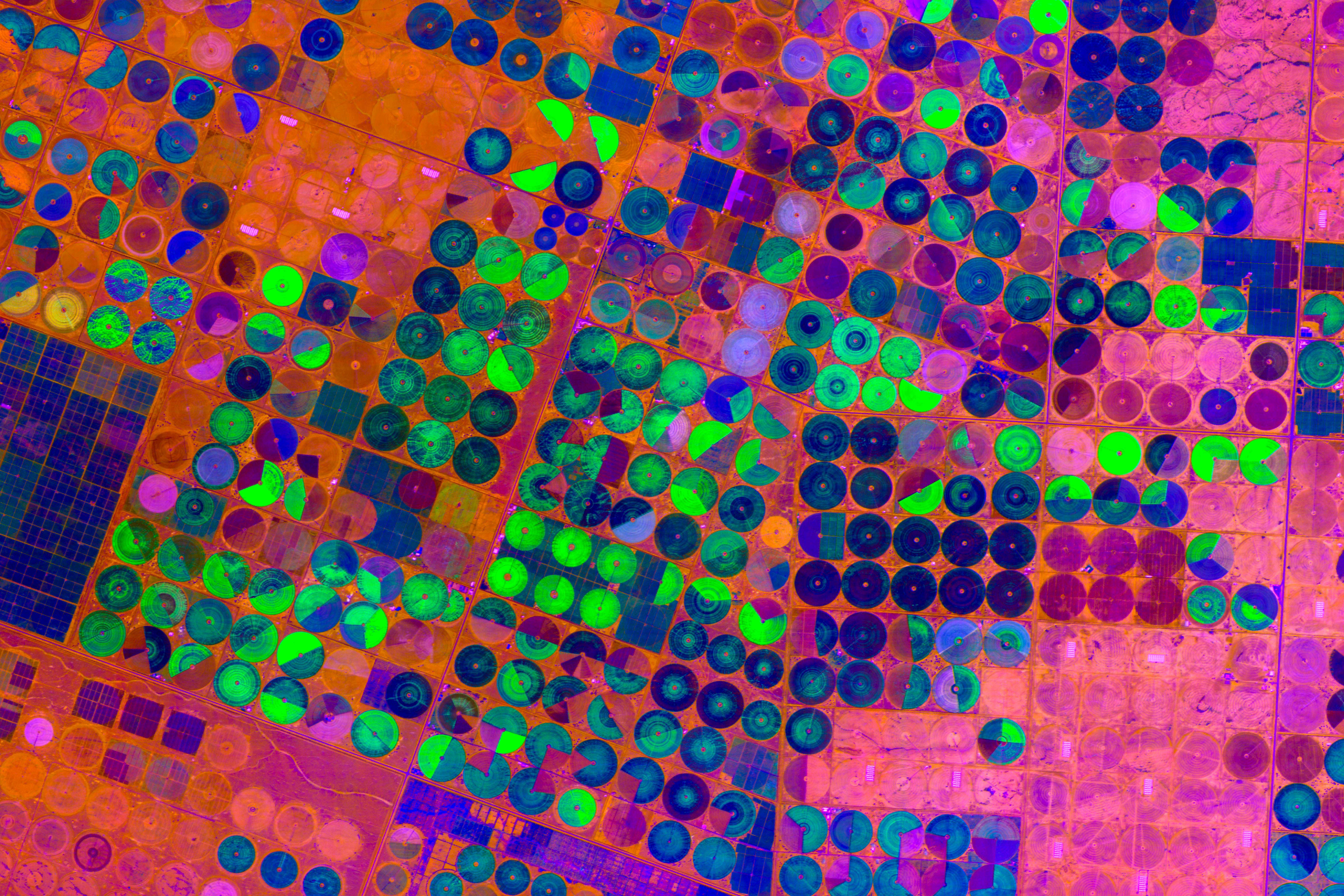
For agriculture, the data is primarily being used for fertilizer and input identification in the crop to increase crop yield. That’s the biggest application at the moment.”
What are the alternatives to hyperspectral imagery, and when do they work better or worse?
“The closest alternative to a hyperspectral satellite, aside from a hyperspectral drone or airplane, is either laboratory tests or a multispectral satellite. Multispectral satellites are limited because they can tell you that something is there, but they can’t necessarily tell you what something is. If you look at a camouflaged tank with a multispectral satellite versus a hyperspectral satellite, one will tell you it’s there, and the other will just see a forest.
Laboratory tests are expensive and not scalable. You have to be in the field. If you’re looking at something over denied airspace or in a place where you’re not welcome, then you can’t gather the data.”
Which customers are you selling to, and what is your revenue model?
“I can’t name specific customers, but I can tell you that we’re working with a number of governments and militaries in the Five Eyes. We’ve got two types of pricing structures. We’ve got subscriptions for our intelligence services, things like ship identification, where we charge an annual subscription. We also have a usage-based model for our data sales. You buy data and pay for the data you purchase. That’s it.”
Do you see Canada’s position in the world as an advantage when exporting to allies?
“It is. We’ve got really great relationships with a lot of countries outside the United States, while at the same time being able to export into the United States in a way that other countries can’t.”
NASA selected Wyvern for its Commercial Satellite Data Acquisition program. What does that mean?
“First, we’re the only pre-Series A company I know that has been selected for it. It’s difficult to get into. You have to have functioning satellites and data coming down from space. It took us about a year. It allows us to sell to NASA and all other parts of the U.S. government. They can buy our data, task our satellites and buy our archive.”
You joined Y Combinator in 2022. How did you remain Canadian, and what advice would you give another Canadian founder considering Y Combinator?
“When we started Wyvern, we wanted to build a Canadian space ecosystem, particularly in Alberta. We didn’t want to live in the United States or anywhere else. We wanted to live and work here. We love Canada. It’s interesting to see things play out this way because it fits well into the reasons why we wanted to do it in the first place. We always get asked whether we’re moving to the United States, or told by investors that we should. We’ve also had some say that, if we wanted a term sheet, we would have to have plans to do so. We’ve managed to avoid it.
Part of the reason with YC in 2022 is that it was during COVID and was still a remote batch. I suspect the urge to move would have been a lot higher had we gone there and worked in the United States. There are good reasons for that. The United States has better mechanisms to buy services from its startups, support its industry and grow its deep tech than Canada does. They’ve also got more access to investment. We managed to stay here partly because it was remote, but also because that’s how we started Wyvern. We wanted to stay here.”
What should a Canadian founder do if they want to remain in Canada but are struggling to raise capital?
“There’s no reason why you can’t raise capital in the United States and stay in Canada. That’s what we did. The great majority of our investors are from the United States. That’s just a normal part of international business. I would encourage Canadian founders to look at the advantages of staying in Canada. There are a lot, including access to talent that is often overlooked and far more capable, and living in a place with a much better cost of living.
The people who work for Wyvern can have much better lives because the cost of living here is so much cheaper than in San Francisco. You can actually buy a house here. You don’t have to live in a studio apartment while also getting paid $400,000 a year. There are a lot of advantages to living in Canada, and there’s no reason why you can’t raise money internationally. I don’t think the Canadian investment market is yet at the place where it will support the sort of scale we need from our startups, but it is catching up.”

Canada is the only G7 country without sovereign launch capability. What risk does that create?
“It’s always been a risk. The risk for Wyvern is that we lose access to launch capability because it’s in somebody else’s country. Whether there’s an emergency, market pressure, or unique advantages placed on launch companies that we won’t get access to because they’re foreign launch companies, those are all real concerns.
It is a risk for Wyvern. From a commercial perspective, it’s definitely not as big a risk as it is to Canada from a security perspective. We need to be able to launch our own satellites without relying on foreign launch. Space is a war domain. And if we can’t deploy assets there, then we’re vulnerable.”

What does NordSpace’s strategic investment unlock?
“It opens up a number of partnership opportunities for NordSpace and us. It allows us to work more closely together to build future missions and potentially launch with NordSpace. That’s one of the big reasons why we did it. We’re really interested in NordSpace’s capabilities, and we’d love to launch with them. Wyvern is definitely looking more toward Canadian suppliers. We would like to get to a point where the entire satellite supply chain could be sovereign. Partnering with NordSpace is one of the steps we took to get there.”

What advice would you give someone starting a Canadian space company today?
“It’s going to be hard. It’s going to be tough. You’re going to be at a slight disadvantage, but it’s worth it because you’re doing something for a greater purpose. You’re doing something that’s hard. There are also advantages to starting in Canada that people often overlook. You become far more tenacious. You become far better at operating and building something. Because of that, you can also scale something really huge. You get subjected to pressures that others don’t, and that pressure transforms you and your company. Canada’s defence and security posture is changing. It’s opening up a ton of opportunities, and now is the time to get involved. That directly impacts space. There is so much Canada wants to do with space right now. There’s never been a better time to be a space company in Canada.”
What do the next 12 months look like for Wyvern?
“We’ve got another satellite going up in February. We’ve got other plans in motion for our next generation of satellites that I’m hoping we’ll be able to announce soon. We’ve got expansion plans in progress as well. The biggest thing for us is rolling out our ship-identification product more fully, publicly and to other customers in other countries.”
What is one other Canadian national-interest startup worth watching?
“NordSpace. I’m not saying that just because they invested in us, but because they’re genuinely different from most other Canadian startups in how they do things, what their plans are and their tenacity. That’s definitely one I would be watching.”

Why build in Canada?
“I love Canada. I want to live and work here. I want my children to grow up here, and I want to see Canada become stronger. The only way you can do that is by building here and trying to build the future you want to see.”
If you’re building something in Canada, I want to hear about it. contact@ethanmarcoux.com
Three Months of The Canadian Explorers

Over the past three months, I have published 16 posts. Fourteen were conversations with founders, investors, and operators building in Canada’s national interest. Over that period, The Canadian Explorers’ subscriber base grew by more than 230%. I wanted to take a moment to highlight these Canadians in one post.


Thanks for another great article, Mr. Marcoux.
Mr. Robson and colleagues at Wyvern deserve the respect of all Canadians and as difficult as it is, Wyvern serves as a model for other Canadian innovative tech companies.
And staying in Canada, excellent!