


This is the tenth edition of the Canadian Explorers Spotlight series, featuring the founders who are building the future of Canada's most critical industries. See the recap of the previous three months.

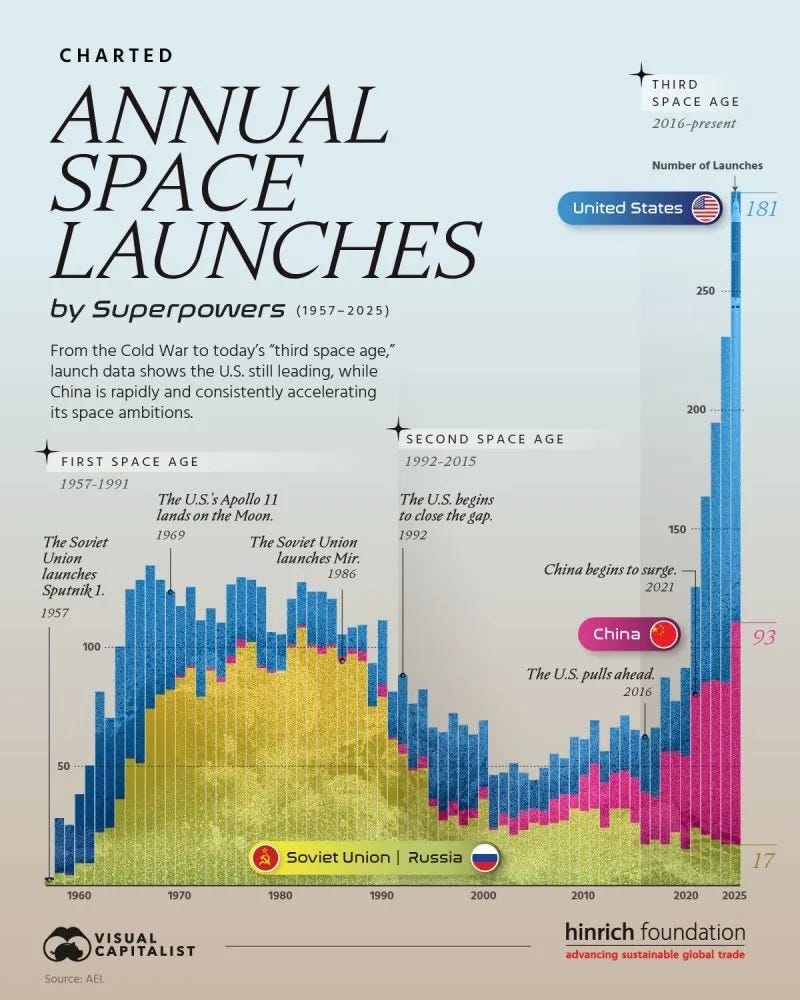
The global space economy is projected to reach $1.8 trillion by 2035, up from $630 billion in 2023.
In 1962, Canada became the third country in the world to design and build its own satellite. Yet after more than six decades in space, Canada is the only G7 country without domestic space-launch capability. We are still dependent on foreign partners for access to orbit, primarily SpaceX. The question is, what if one day they shut it down?
On August 5th, Rahul sent an update: “As of this week, SpaceX has actually shut down bookings past 2028. We are not able to manifest our next set of satellites, and the industry is entering panic mode.”
“One day, it hit me that the US does not need somebody like me.”
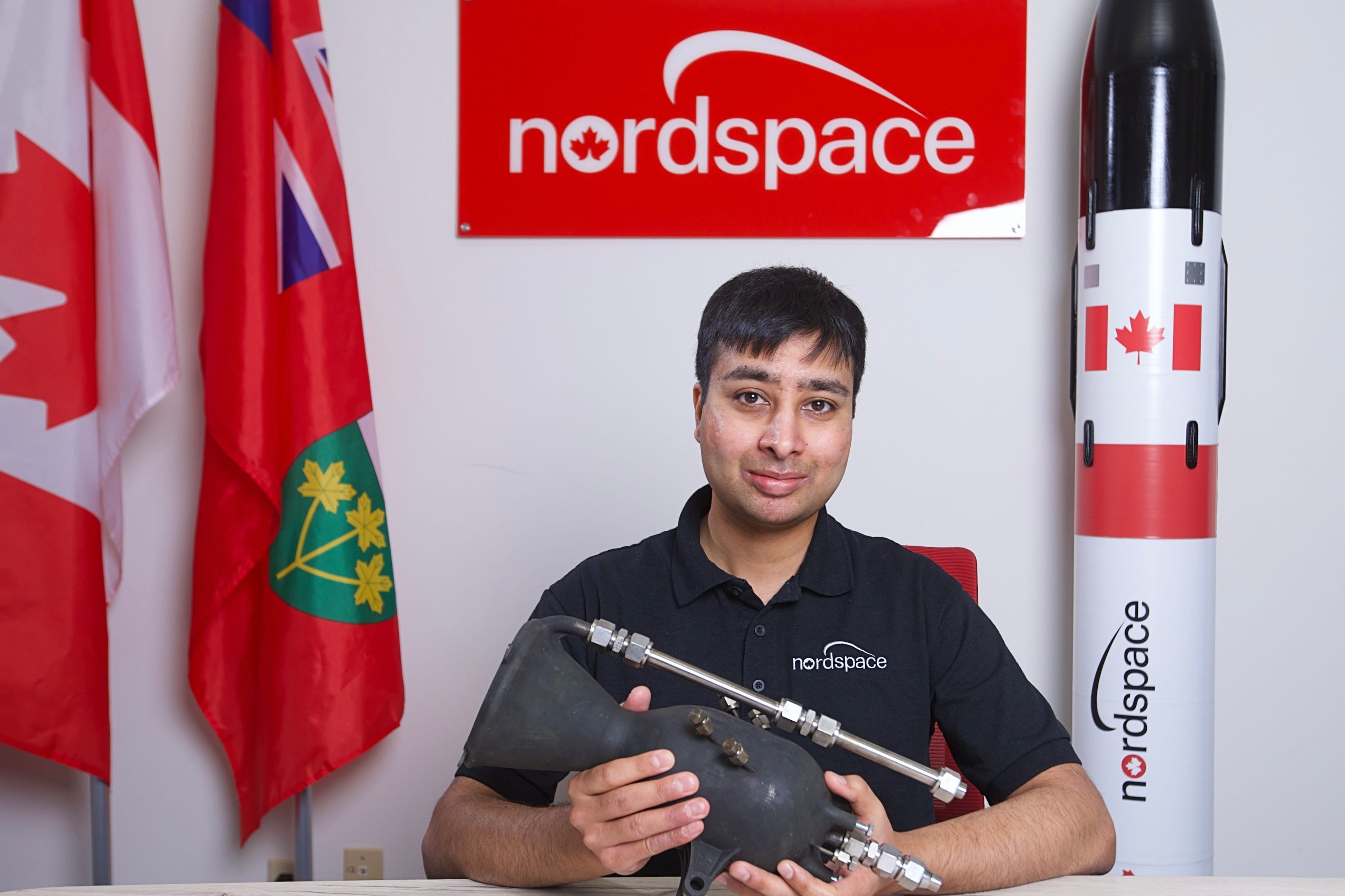
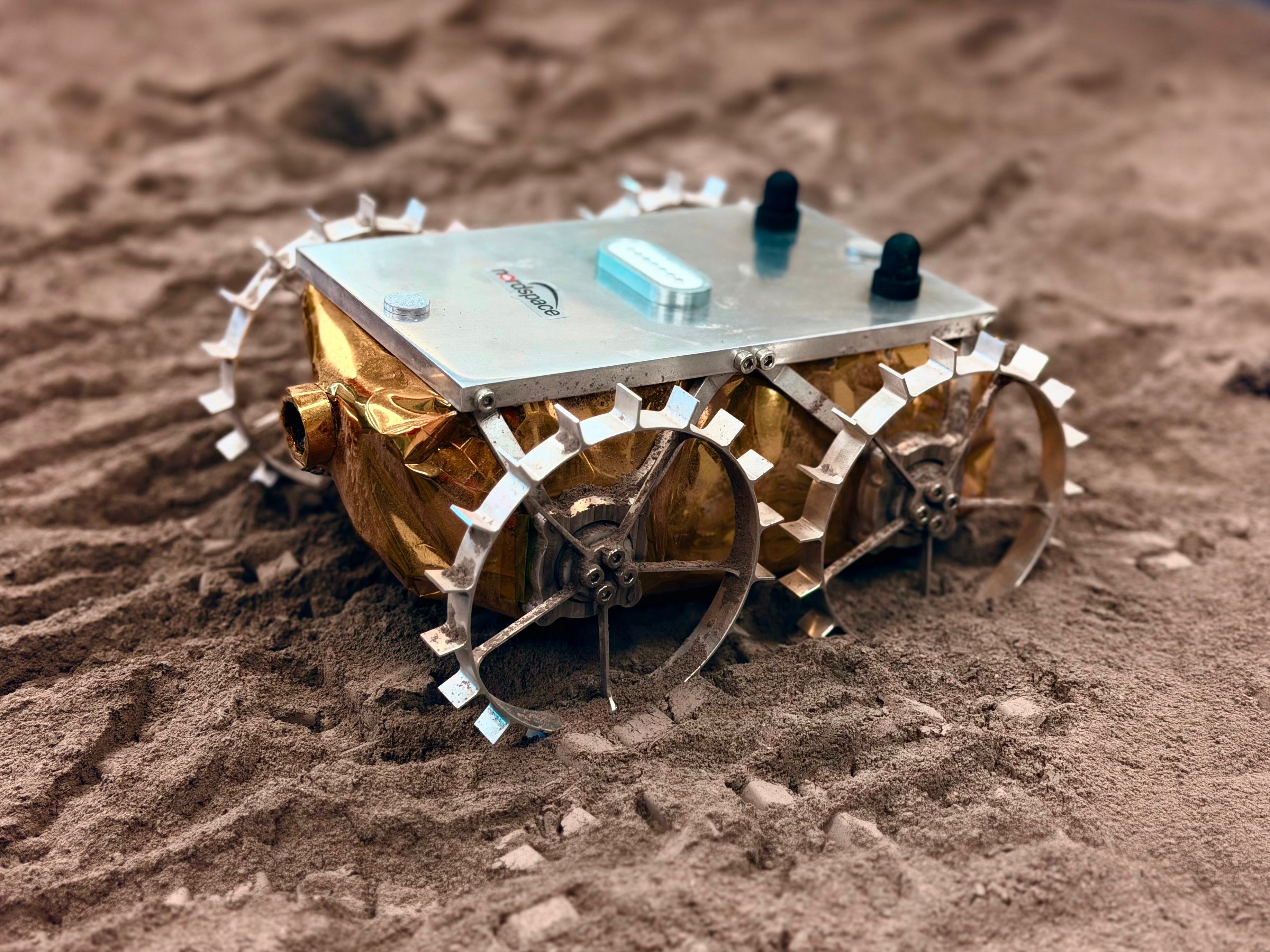
Rahul Goel is the CEO and Founder of NordSpace, building Canada’s national pathway to space. Founded in 2022 in Markham, Ontario, NordSpace is creating Canada’s first end-to-end space-missions company. This includes rocket engines, launch vehicles, satellites, lunar robotics, its own Atlantic Spaceport Complex, an investment arm, and more.

In March 2026, NordSpace was selected as one of three Phase 1 winners in the Department of National Defence’s Launch the North program, receiving $8.33 million alongside Reaction Dynamics and Canada Rocket Company. The three-round competition has $105 million in planned funding and targets initial Canadian light-lift launch capability by 2028.
“It’s my home. It’s not really a question for me. I don’t know where else I would build. I thought once about building in the United States, and it just didn’t feel like home. This is all I know. I care about my country, and I want it to be successful.”
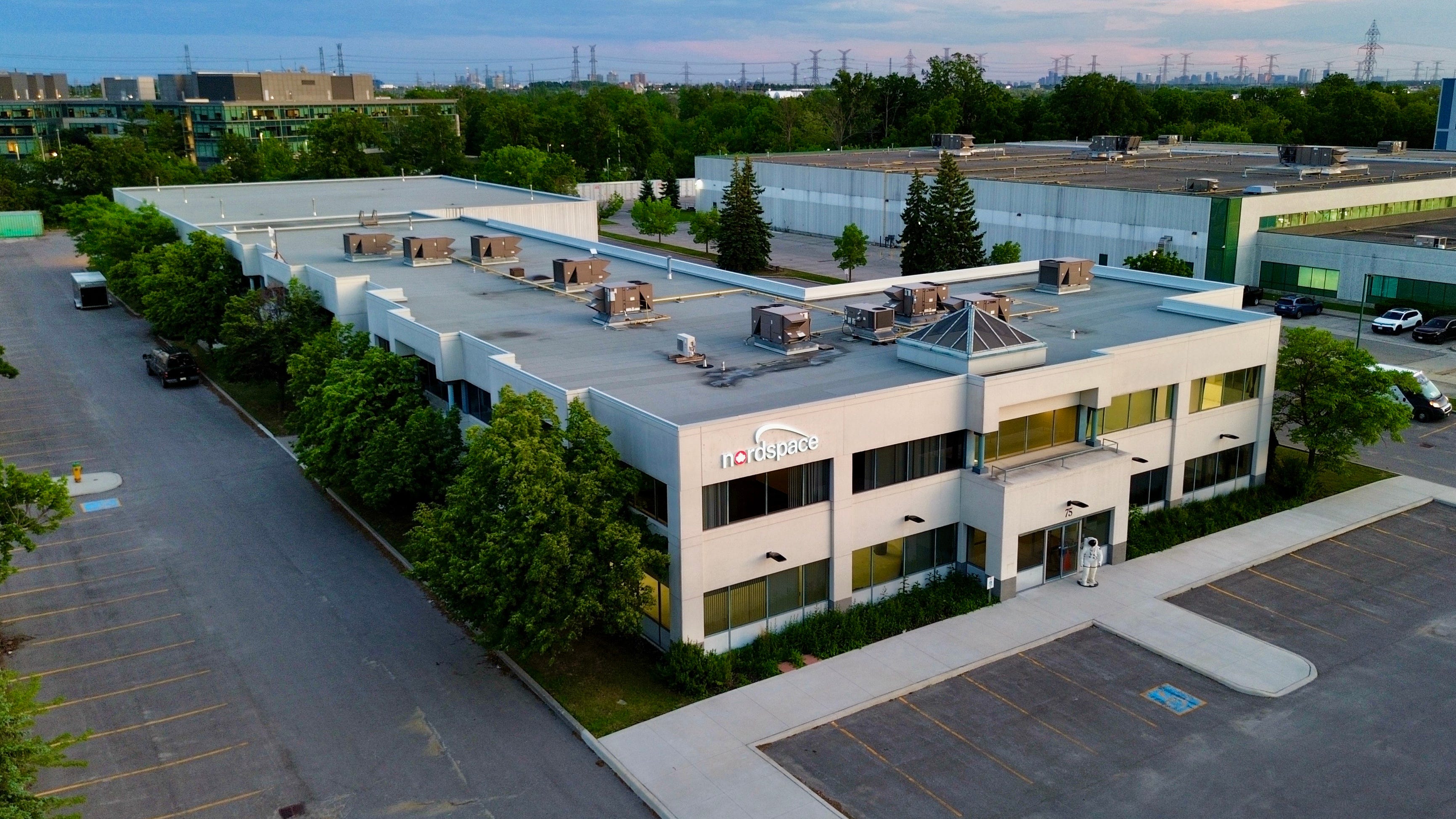
NordSpace is not Rahul’s first successful company. In 2014, he founded PheedLoop, a SaaS company focused on enterprise-grade event-management software. He intended from the very beginning to leverage this success to finance his own Canadian space company. PheedLoop remains bootstrapped and now employs more than 50 people. Rahul has used that success to help build out NordSpace’s 60,000-square-foot manufacturing facility in Markham while developing Tundra, an orbital launch vehicle being optimized to carry 1,100 kilograms to low-Earth orbit.
Space is challenging. Anything worth doing is challenging.
Canada was once a world leader in space. Rahul wants us to lead again. The ambition extends beyond launching rockets. One in four STEM graduates from Waterloo, U of T, and UBC are leaving Canada, including 66% of software engineering grads. It is time to recognize that great talent does not aspire to mundane goals. Canada has spent decades helping other nations reach space. Now it has to build its own way there.
“We need to make permanent the ability to tolerate risk and invest in high-scale, high-impact ideas, founders, and companies.”
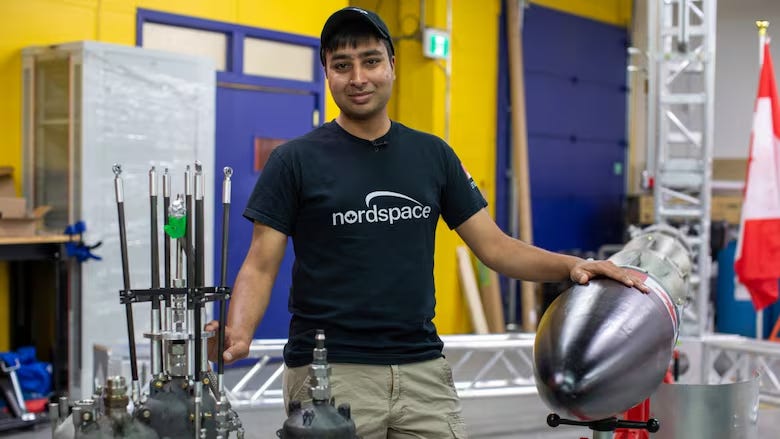
I spoke with Rahul about why Canada lost its ability to reach orbit independently, the business behind NordSpace, what makes its launch architecture different, and why he came home to build it here.
“We’ll have two ground stations set up that haven’t been announced yet. One is in the Arctic. We’re very excited about it, and it provides a unique opportunity for Canada and the world.”
“While all other animals are prone, and fix their gaze upon the earth, he gave to man an uplifted face, and bade him stand erect and raise his eyes to the stars.”
— Ovid, Metamorphoses, Book I
What is NordSpace building, and why does it matter for Canada?
“NordSpace is building Canada’s only end-to-end space missions company. Canada doesn’t have access to space, and that’s primarily what NordSpace is unlocking for the country.”
What is PheedLoop, and was the plan always to use it to build NordSpace?
“PheedLoop is a software-as-a-service company focused on enterprise-grade event-management software for conferences, trade shows, and things of that nature. I founded the company in 2014. It is completely bootstrapped to this day. We worked on it to be as profitable and successful as it possibly could be. It is run by a great team of more than 50 people.
The plan was always to leverage the success from PheedLoop to start NordSpace. I’m glad I was able to do that. Finding the capital is very tough in the Canadian context to build something like this, and I’m not interested in early dilution of a company of NordSpace’s magnitude and vision. I wanted to put considerable amounts of my own capital into the formative years of NordSpace to get us to a point of success.”
How did Canada become the only G7 country without sovereign launch capability, and what does that dependence mean?
“There are so many potential answers to that and so many complexities. Until perhaps recent years, access to space on our own terms was not perceived as something critical for Canadians. We were the third nation to build a satellite that ended up in space, which is great. But in general, we’ve always been very risk-averse. For some good reasons, rockets and launches at least seem to be risky activities, so I think Canada has always shied away from that. But we, as a country, have shied away from a lot of things. Obviously, that’s not my style. I like taking educated risks and building great things. I think it is culturally a challenge for a country like Canada.
We also have an incredible neighbour just south of us that has been an awesome ally for the longest time. They offer us access to space and many other things. Unlike other countries that may not have that luxury and such a relationship with a powerful and culturally similar nation, Canada did. Perhaps for that reason, we slipped on developing critical capabilities of our own. Fast-forward a few decades, and we’re at a point where our lives, economy, security, and sovereignty depend on space. It has suddenly become obvious to Canada that investing in access to space, and space capabilities more generally, is important.”
What inspired you to start NordSpace?
“Like a lot of people in my category, space captured me at a very young age, probably when I was a toddler. There were lots of influences in my life: visits to planetariums, reading *The Adventures of Tintin*, pursuing aerospace engineering, and building planes, satellites, rockets, and robots. Then there was more advanced robotics and space-systems work through university. It was never a question. It was always part of who I am and something I’m good at. I’ve always been very passionate about my country, really the only country I know or deeply care about. I was born and raised here in Toronto. It always felt like something I was born to do and something that was necessary for Canada.
There were obviously lots of twists and turns along the way. One of the moments came when I decided I was going to move to the United States and work there on space systems. I lived in my car for about two years, travelling around the US and other places. One day, it hit me that the US does not need somebody like me. There are already very ambitious, passionate, and successful people there. I found that to be completely opposite here in Canada. Obviously, we have great entrepreneurs and amazing leaders, but on a relative scale, it felt like my country needed me more than another. I came back home and haven’t left since. I’m very proud to be doing what I know I’m good at and what the country needs.”
What is Launch the North, and what does it mean for NordSpace?
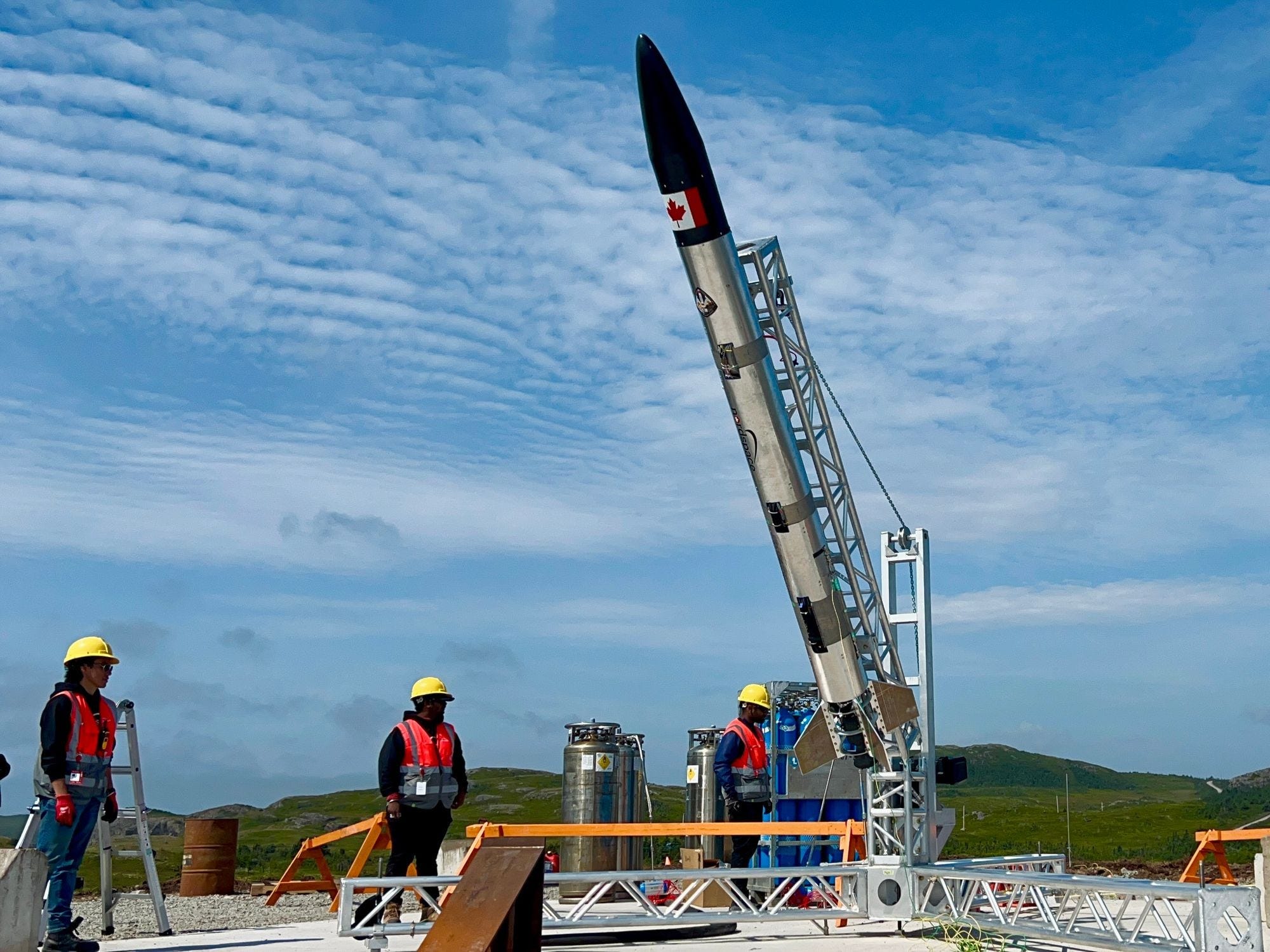
“Launch the North is an amazing investment by Canada. For a country that has been so hesitant and resistant to developing launch capabilities for decades, it completely broke and shattered that mould and expectation. Canada decided to put a small but important amount of capital toward building launch. Significant credit goes to the Department of National Defence. Part of that was the Launch the North competition, dedicating $105 million over three years to developing launch capability for Canada. It is a good start for the country. NordSpace was very grateful and honoured to be selected as one of the three winners for Phase 1. That phase is dedicated to advancing critical technologies.
The goal of Launch the North is to get to initial operational capability for a light-lift launch vehicle by 2028. That is our focus here at NordSpace: to achieve that goal and timeline. The layer that is important to us beyond that is achieving launch in a sustainable, commercially viable, and scalable way. When I say sustainable, I mean economically sustainable and viable. This is critical. Countless launch efforts have failed even after reaching orbit. We’re very careful with how we capitalize, our technology decisions, how we build infrastructure, who we partner with, what we invest in, and who we take investment from. We’re working very hard to build a real business where launch is a means to an end, but not the end in itself. Launch the North has helped accelerate that.”

What differentiates NordSpace from Reaction Dynamics and Canada Rocket Company?
Reaction Dynamics and Canada Rocket Company were the other two winners for Phase 1 of Launch the North.
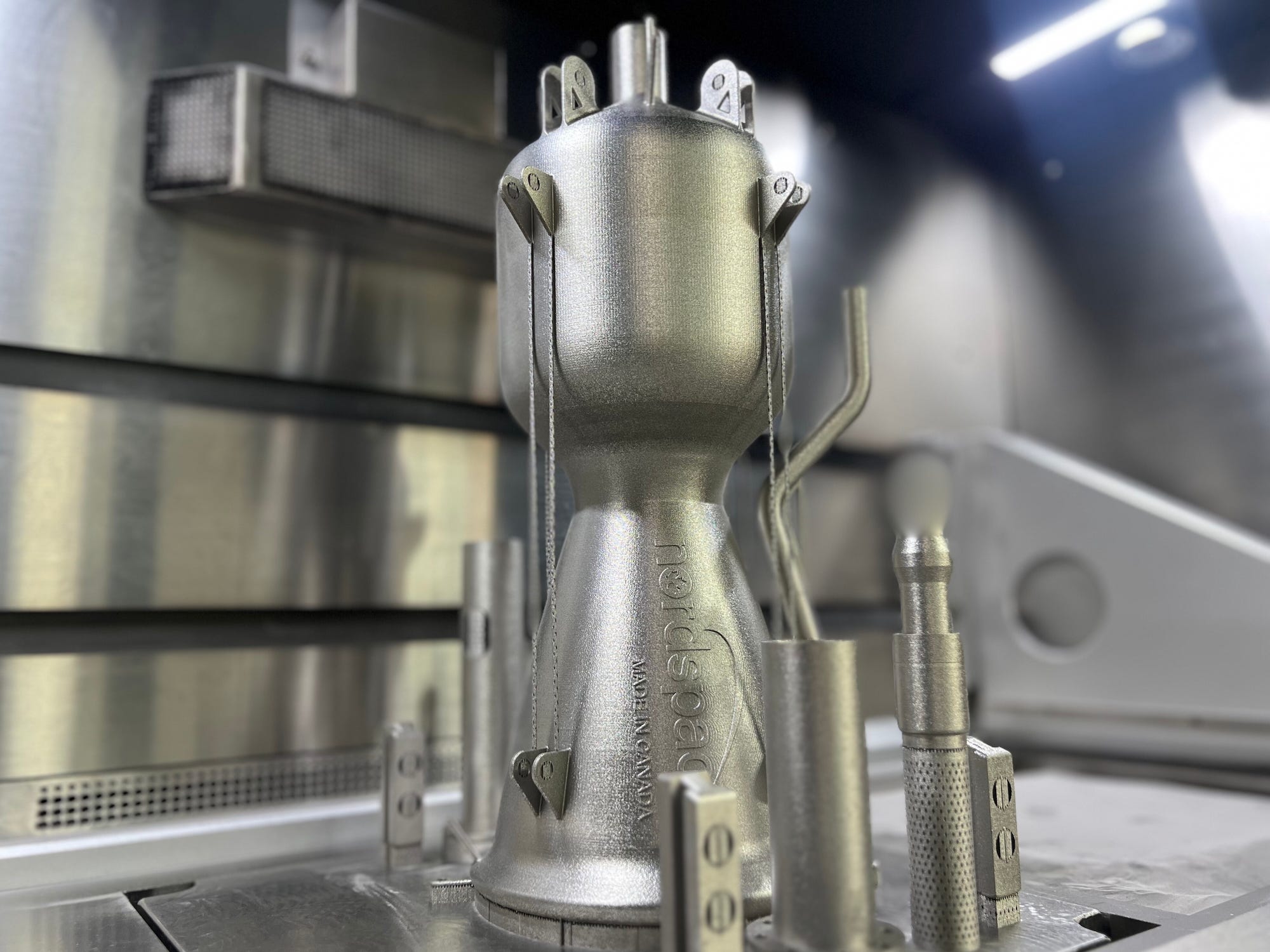
“Reaction Dynamics, from a technology standpoint, is very different. They’re working on hybrid rockets. Rockets typically require two propellants, an oxidizer and a fuel, and they have a solid-and-liquid combination. We use a more traditional liquid bi-propellant system. We chose that path so we can scale and rely on proven technology. Technologically, that’s a big difference. From a business standpoint, they are, from my understanding, focused entirely on launch and launching small assets. I think they are in the 50- to 100-kilogram payload class. Our area of interest is closer to one tonne, scaling up to a couple of tonnes in the medium-lift category. From a business standpoint, we’re a vertically integrated company. We operate our own launch site in Newfoundland. We operate our own test site. We build our own satellites. We build our own robotic systems. Launch is the moat that surrounds everything else we’re developing.
For Canada Rocket Company, I don’t really know anything about them. They were only formed earlier this year. I’m looking forward to learning more about them, but I have no real knowledge of their operations or technology.”
Canada Rocket Company will be coming soon to the Canadian Explorers.
What is NordSpace’s core business, and how do all the products work together?
“The core business is end-to-end space missions. You come to a company like NordSpace with a mission requirement, and we deliver on that end-to-end. We’ll build the space system or satellites, launch it, and operate it. We’re following companies that have been demonstrably successful. The two companies that have really achieved that are Rocket Lab and SpaceX. Both are heavily vertically integrated. They operate their own facilities and build their own space systems. SpaceX, for example, gets 70% of its launch business from launching Starlink. A significant amount of its revenue comes from non-launch activities, but launch is critical to making all of that successful. Rocket Lab, the New Zealand-based company and second-most-successful launch company after SpaceX, has built the vast majority of its business around space systems and satellite products. It operates its own facilities and spaceports in New Zealand and the United States. Again, launch is a moat.
For us, it is a similar path. There is no economically viable route that we can determine where you can just build a launch vehicle and be successful, unless the model is to rely continuously on government subsidies. Our goal is to be a real business. Our business is building high-scale space systems for companies and countries and launching them on our own accord. That vertically integrated model is where we’re producing the most value as we prove it out over the coming years.”
Is the revenue model based on helping countries build sovereign launch capacity?
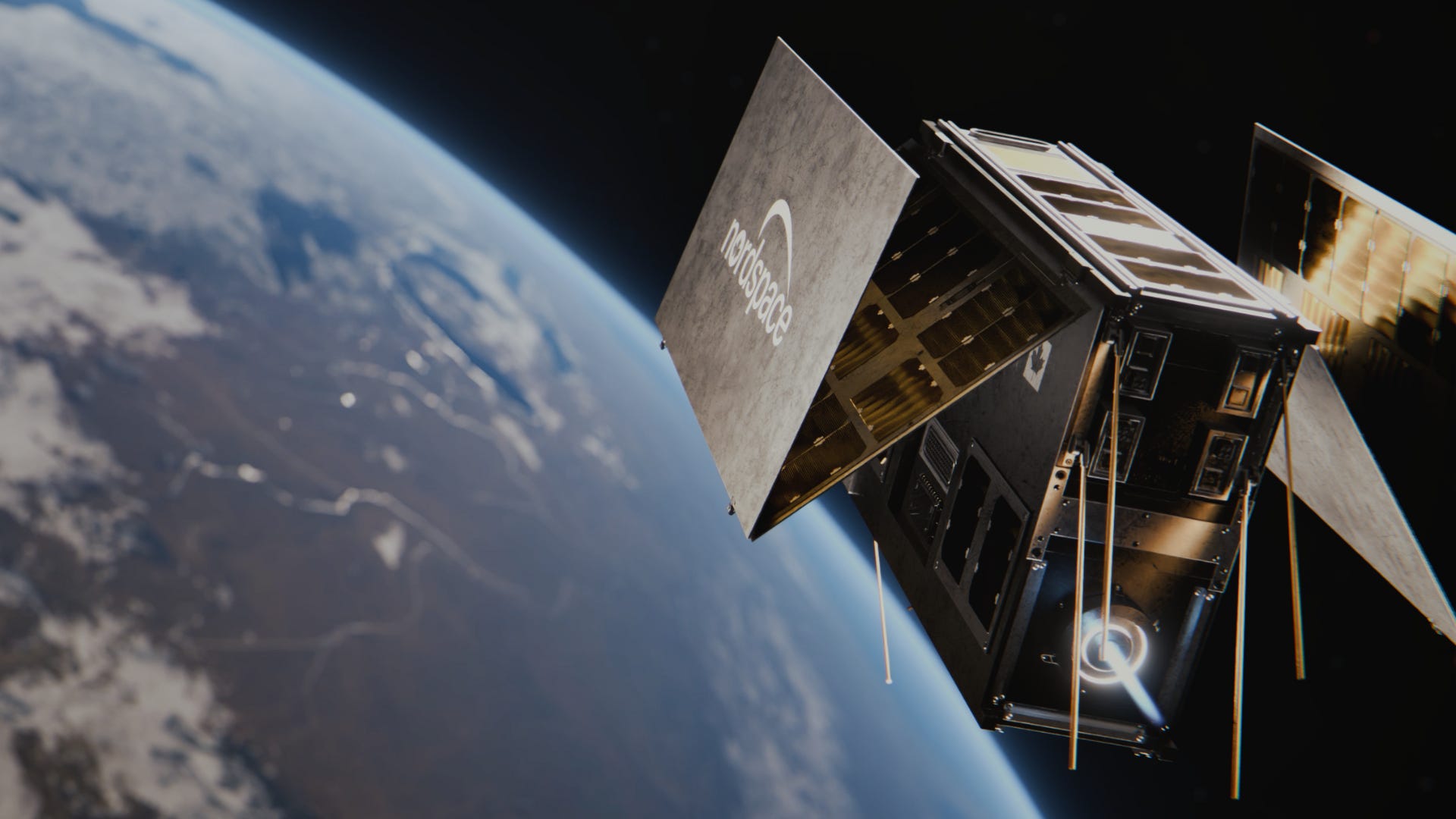
“Not just sovereign launch capacity, but sovereign space capacity. There is a medium- to long-term goal for NordSpace where, given our eventual expertise in a vertically integrated model, in the mid- to late 2030s we could box all of that up and offer what we call “space agency as a service” to new countries looking to develop their own science and space capabilities. As new countries come online and develop resources but don’t have the institutional knowledge or supply chains, we can show up and do all of that for them. However, a lot of our current focus is on the actual capabilities that exist in space, and then leveraging our launch capability to make sure they have assured access to space.
A big challenge in the industry right now is the one company that really offers reliable and frequent access to space, SpaceX, shutting down the rideshare program that even we rely on for our first satellite, Terra Nova, which is launching later this year. Rideshare takes a group of satellites in bulk to low-Earth orbit. That is what has allowed costs to come down and frequency to go up. For SpaceX, this is not a profitable business, and it is inevitable that they will shut it down. As a result, there will be a significant lack of capacity for access to space. Providing assured access to space to countries and companies through a launch program, while providing them with space-systems capabilities, is the model. Satellites will be our priority.”
What payload capacity, cadence, pricing, and timeline are you targeting?
“Tundra is our first orbital rocket. In its optimized form, we would be at 1,100 kilograms to low-Earth orbit. That could take the vast majority of the types of payloads Canada will ever produce or is known to produce, and certainly anything else in the small-satellite to medium-class-satellite categories. The interesting sweet spot we’re targeting is one where we can service small-constellation missions and take a group of those satellites up, but it is also a large enough capacity to take one or two medium-class satellites, such as MDA’s roughly 500-kilogram AURORA bus or a Telesat Lightspeed satellite. Those companies will, in the near term, rely on a company like SpaceX to deploy perhaps a couple of dozen satellites in one launch. Once their constellations are in place, they will be looking for constellation replenishment, and they will not buy an entire massive rocket to do that. Smaller- to medium-sized rockets like ours can take up individual satellites in the larger class and reconstitute constellations in times of crisis, or once a satellite has reached the end of its life. We can carry bulk quantities of small satellites and smaller quantities of medium-to-large satellites.
In terms of cost, it really depends on whether somebody is on a shared mission with other customers or is getting a dedicated flight. You will hear numbers quoted for companies such as SpaceX where it is $10,000 or $100 per kilogram. As customers of SpaceX, Blue Origin, and others that are launching our payloads for now, I can tell you that those numbers are only accurate in very specific scenarios. In our case, we’re targeting somewhere in the range of about $10,000 per kilogram as a generic description of what a dedicated mission using our entire rocket for one customer might cost.”
What is NordSpace Ventures’ mission, and what do you look for in a founder?
“NordSpace Ventures is an arm of NordSpace through which we’re making strategic investments in companies. We’ve invested in about half a dozen companies and are looking to accelerate that significantly. Our goal is to convert our experience with NordSpace Ventures into acquisition opportunities. We have several companies in early due diligence that we’re looking to acquire and use to grow NordSpace’s capabilities. The way we see our business being successful is through vertical integration, acquisition, and consolidation, bringing a wide range of space-based capabilities under one roof. It is very tough in the space industry to be commercially successful and viable as a standalone business. More companies are starting to realize that, and you’re seeing more consolidation. If you’re a satellite company, you’re afraid you won’t have an option to launch. If you’re a launch company, you’re afraid you won’t have the margins or enough customers. Internalizing supply and demand is critical. NordSpace Ventures is serving a primary purpose: we’re making strategic investments in companies we want to see succeed because, if they’re successful, we’ll be successful. They are highly complementary to what we do.
Companies we’ve already publicized include Wyvern Space in Alberta, North Vector Dynamics, also in Alberta, where we were one of the first cheques, and Volta Space in Montreal. There are several others we’ll announce publicly soon. We’re refocusing that experience and energy toward acquisitions. An eventual IPO is also something we’re interested in, potentially in the early 2030s.
What I look for in founders is a focus on building a business. One of the biggest challenges space, aerospace, and even defence companies have is that they’re built during hype cycles. They create products that perhaps meet one customer’s requirements and are based on grants or government life support. They’re not real businesses. I’m interested in founders who care about revenue, profit, and unit economics; who have a practical understanding of their business and growth opportunities; and who have real cash flow. Those are the businesses and founders I care about and look to invest in.”

What does Canada need to do to become a global leader in space?
“We need to take risks and invest. It is really that simple. We look at countries and companies that have done this successfully, and that is precisely what they do. Space is challenging. Anything worth doing is challenging. If we can’t absorb that risk and understand that not every project, company, or initiative will make it across the finish line, and that is okay, it will be very difficult. I’ve seen early signs that this is changing. I’m also starting to see early signs that it was only a temporary, ephemeral moment and that it is changing back again. We need to make permanent the ability to tolerate risk and invest in high-scale, high-impact ideas, founders, and companies. We need to take a chance on them and put sufficient dollars behind them to get them off the ground. That is how any national capability starts.”
What do the next 12 months look like for NordSpace?
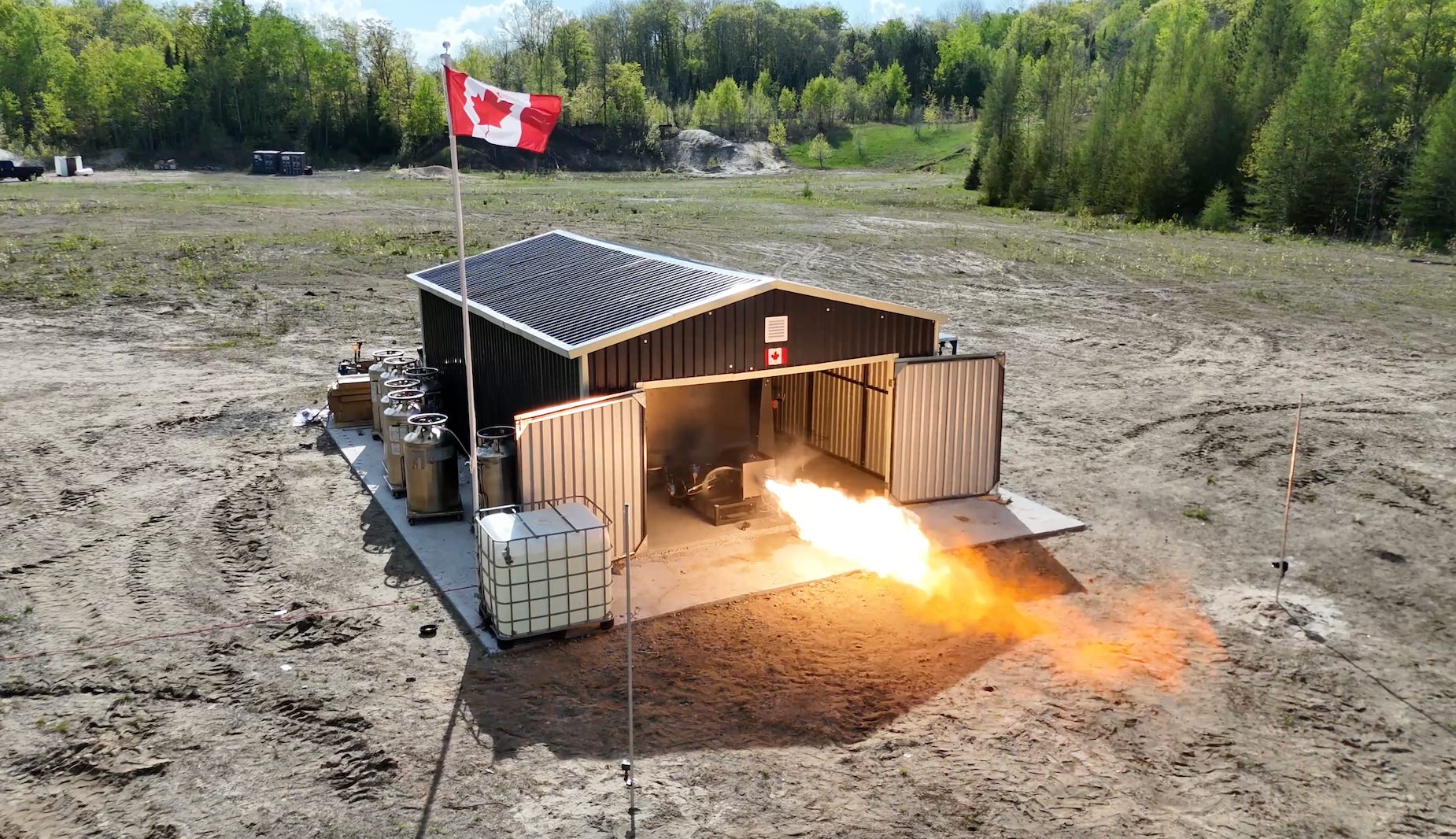
“A lot is going on at NordSpace on many fronts. We’ll have several launches of our suborbital rocket. We’ll have test-fired and significantly expanded our Hadfield-150 orbital engine. We’ll have several of our primary structures complete, including fairings, interstages, and Tundra’s primary tanks. At SLC-01, Space Launch Complex 1 at the Atlantic Spaceport Complex in Newfoundland, we’ll have all the concrete and major steel structures. We’ll have advanced SLC-02, which is still under construction right now. We’ll have two ground stations set up that haven’t been announced yet. One is in the Arctic. We’re very excited about it, and it provides a unique opportunity for Canada and the world.
Our team will have grown substantially. We’re just about 50 now. We’ll be about 70 by the end of this year. In the next 12 months, we should cross 100. Our new factory, which we opened a couple of weeks ago in Markham, will be fully equipped with every piece of equipment we need to produce our orbital engines and primary rocket structures at the unit level. Our new test site and test cell will be complete as well. We’ll also be sharing significant new investments, business growth, and revenue in the next couple of months.”

What is one other Canadian national-interest startup worth watching?
“I’m a big fan of Xanadu. Xanadu is definitely a company that excites me greatly.”
Why build in Canada?
“It’s my home. It’s not really a question for me. I don’t know where else I would build. I thought once about building in the United States, and it just didn’t feel like home. This is all I know. I care about my country, and I want it to be successful. Most importantly, I see that there is so much unrealized potential. I might have felt differently if it were my home, but there was no potential here: if we didn’t have the economy, supply chain, industrial base, political will, or regulatory frameworks. But we have all of that. We have the history. We have everything we could possibly need to do anything we put our minds to, and we’ve done so many great things in this country.”
If you’re building something in Canada, I want to hear about it. contact@ethanmarcoux.com
Fighting Wildfires With Drone Swarms | Alex Deslauriers — Explorer Spotlight #9

Co-founders Alex Deslauriers and Melanie Bitner are life partners. On August 18, 2023, their family properties were among 56 destroyed near Gun Lake, British Columbia.


Canada needs to fund more HardwareTech startups.