


Welcome to the 559 Canadian Explorers who have joined! If you aren’t subscribed, follow the Canadian founders who are building in Canada’s most critical industries by subscribing here:
“The only way that I could justify to myself leaving the military was through continuing to serve.” — Michael Nelson, Founder and CEO of TACTIQL
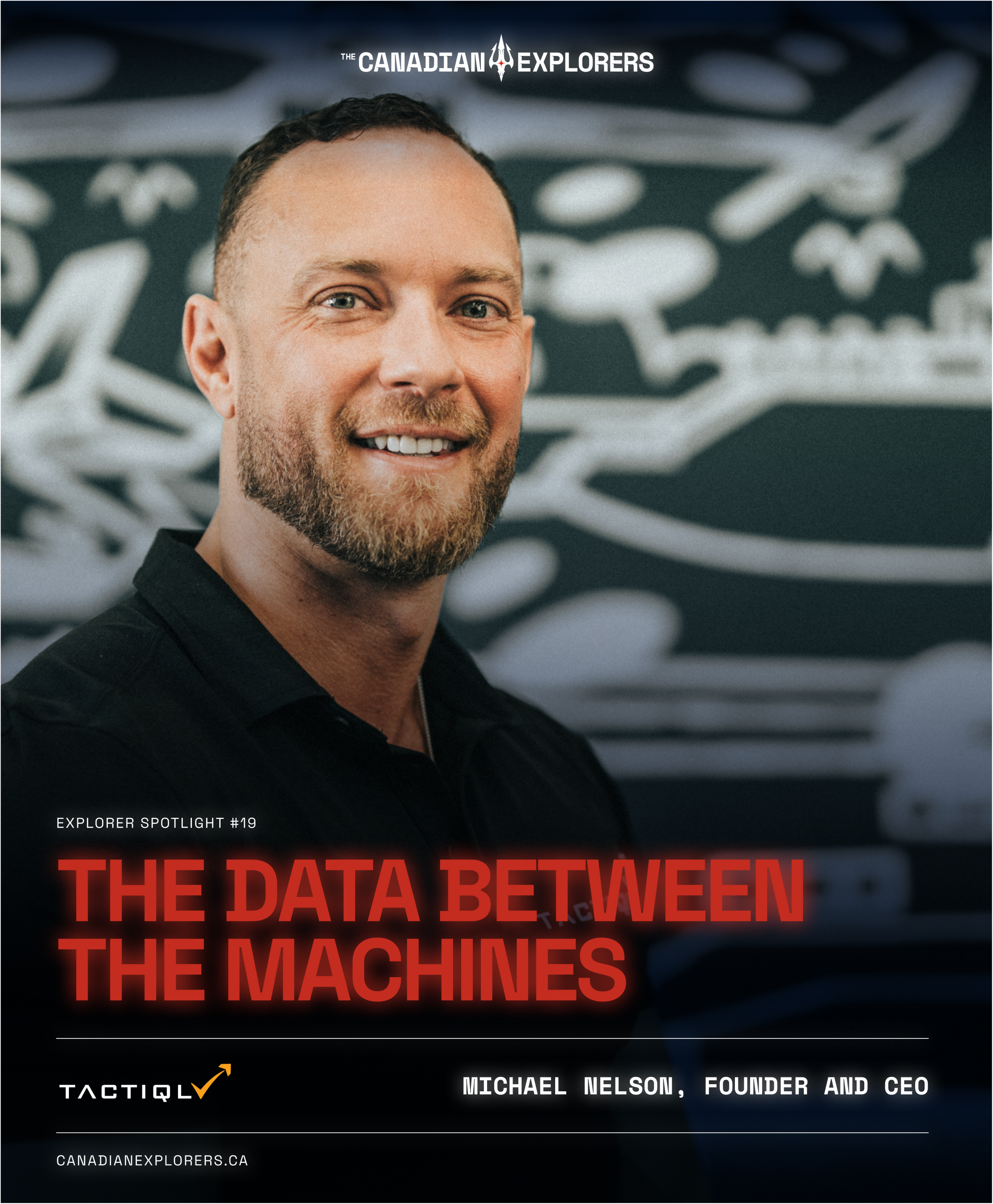
After 13 years in the Canadian Armed Forces, Michael Nelson, a 4th-generation veteran, left to solve the data problem he couldn’t work on in uniform.
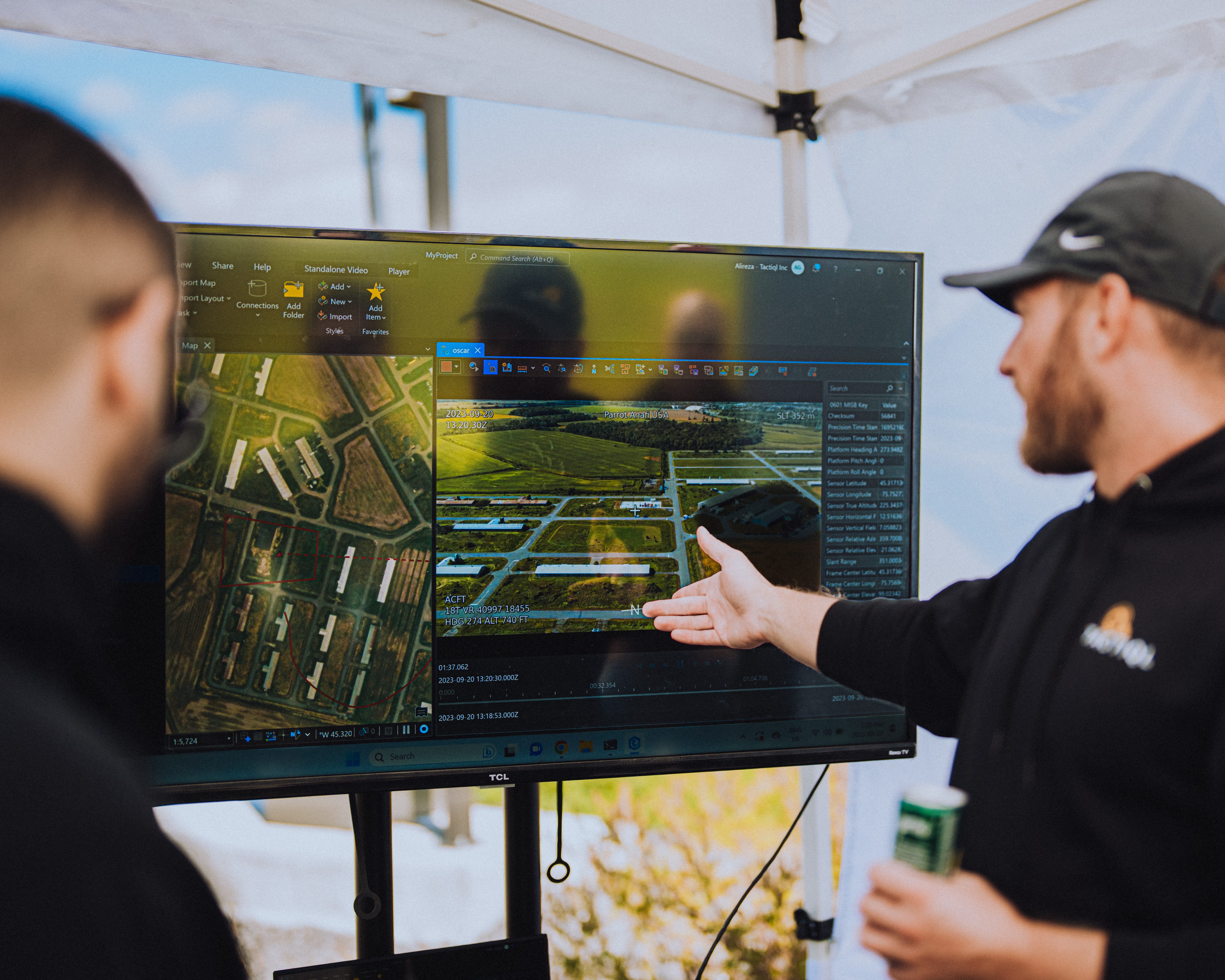
As modern technologies like artificial intelligence continue to change how work gets done, militaries around the world still struggle with old ways of doing things. Data is often segmented and communicated manually, through voice and data entry. When a sensor sees something the next system cannot use, soldiers need to share the data themselves. This is not scalable.
If Canada wants to modernize its military, then it needs to connect its data into a common operating picture.
“It’s manual. It’s humans on keyboards and radios working to constantly integrate sensors into networks and into Command and Control software. […] We cannot keep up with the pace of change in the modern battlespace.”
TACTIQL, an Ottawa-based startup founded in 2022, helps military users gain a decision-making advantage. The company makes sensor data usable across military systems and is building edge-computing hardware to support software where communications are unreliable.

The core product is FULCRUM, a software platform that processes data from both legacy and emerging sensors into a format that other systems can understand. This allows systems from different manufacturers and countries to work together, reducing the need for bespoke one-to-one integrations.
For Canada, systems like FULCRUM are essential to provide interoperability internally and with international allies.
TACTIQL works with the Army, Navy, Joint Forces, RCMP, and NATO, and is supporting operations such as the Canadian-led multinational brigade in Latvia.
The startup is bootstrapped, veteran-led, and part of the cockroach club, defining itself as “hard to kill,” alongside ANVIL and H2 Analytics. TACTIQL existed before the Canadian defence hype, is not chasing venture capital, and plans to survive long after. Its advantage is its empathy and credibility with the operator.
“Do not try to use the news and social media to guide where your technology should go. Let the customer guide you.”
I spoke with Mike about continuing to serve as a veteran founder, connecting military systems, understanding what customers actually need, and building a Canadian defence company beyond the hype.
What is TACTIQL building, and why does it matter for Canada?
“The core of TACTIQL’s value proposition is our ability to ingest data and not just translate it into interoperable formats, but enrich it with the metadata and the context required to enable interoperability across systems. That reduces the need for bespoke one-to-one integrations between sensors and networks and all the different software that sits on that network.
Why does that matter to Canada? Canada operates almost exclusively within a coalition environment. We don’t have the scope and scale of some of our allies, first and foremost being the Americans. Therefore, it’s absolutely essential that our Army, for example, can work with our allies in NATO seamlessly. Digital interoperability is a critical enabler of that.
Our software helps enable that interoperability internal to the Canadian Armed Forces, including within the Canadian Army, across the joint forces, such as between the Canadian Navy, the Army, the Air Force, the Special Forces, as well as between the Canadian Armed Forces and our allies.”
Advertisement — Marconi Technologies
The Canadian Explorers is proud to be supported by its Founding Lead Partner, Marconi Technologies.

Was there a moment when you realized you had to create TACTIQL?
“TACTIQL was not a concept while I was in uniform. I had concluded that there were problems that existed within the military that needed to be solved, but I was not positioned to help solve them from where I was. The only way to solve those problems was by working outside of the military, in industry.
I didn’t see anybody else in industry addressing these problems in the way that I believed they needed to be solved. It was a bit of a journey between serving in uniform and the concept of TACTIQL as a software company. But the problems which we set out to solve were consistent throughout that process.”
What does it mean for you to keep building for the people who are serving?
“Everything. When I was a kid, in my mind there was no other option for me but to serve. I imagined my career being in the military. The only way that I could justify to myself leaving the military was through continuing to serve. TACTIQL has given me that opportunity.
I often say this: now I feel like I’m serving just as much, if not more, than I did when I was in uniform. Now I actually have the opportunity to seek out and better understand the problems that I experienced—and that people like me experience while serving—and actually do something about them. In uniform, that wasn’t part of my job description. Now I can choose what problems I work to solve.”
Could you describe the data problem you are solving? What does it look like in the military today?
“The reality is that it’s fairly complex. Frankly, it’s a lot easier to understand things like aircraft and tanks and warships, and even AI, than it is to understand data. But to try to simplify it down to its basics, it’s ultimately an Internet of Things type problem.
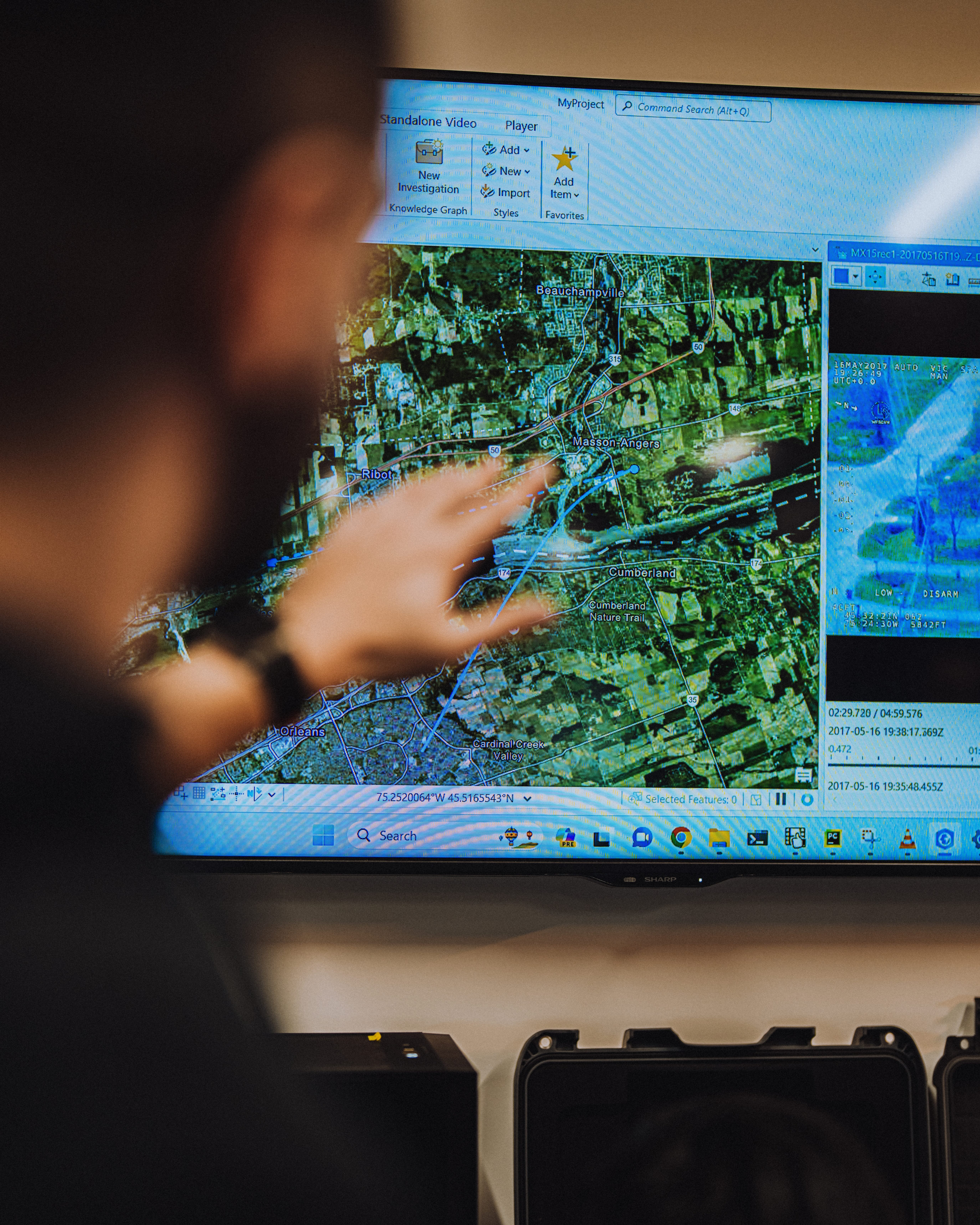
You have this wide variety of sensors across modalities: electro-optical and infrared, radar, RF, acoustic, etc. All these sensors generate data in different formats and qualities. No two sensors, even within the same modality, generate data in the same way.
When there’s this variety of data that’s being generated in the battlespace, it makes it really hard to integrate this complexity into our command-and-control ecosystem. You can’t design command-and-control software, such as a battle or combat management system, to be able to ingest the data from every unique sensor. It’s just way too much systems integration work. It’s manual. It’s humans on keyboards working to constantly integrate sensors into networks and into software. Each one requires bespoke point-to-point integration. It does not scale, and we cannot keep up with the pace of change in the modern battlespace.
The crux of what we do is that our software enables us to take all this data from this wide variety of IoT sensors deployed across the battlespace, both legacy and emerging. We condition or normalize that data into compliance with military and commercial standards so that it can be ingested by all the different command-and-control software, mission applications, artificial intelligence technologies, etc., that we need to enable decision superiority in the modern battlespace.”
Where are the Canadian Armed Forces now in digitization? How much of the work is still manual?
“Most of it, frankly. This is one of the things that I really enjoy about the work that we do: the complexity.
The reality now is that the large majority of data is moved by voice or manual data entry. Very little data actually moves digitally in the form of bits and bytes, like metadata that’s attached to a stream that moves across networks and into the software ecosystem.”
What is your product lineup, and how does everything work together?
“The core of what TACTIQL does is our software platform, which is called FULCRUM. Through the deployment of that software to the Canadian Armed Forces, we continue to come across problems that they’re experiencing. One of those key problems that we found and believed we could influence was the availability of edge compute.
Traditionally, what is sold by industry or promoted by industry is enterprise, server-like architectures and cloud. But there’s a real gap and a real need for edge compute. Our military has always operated and will continue to operate in an environment which is contested. It’s disrupted; there’s limited bandwidth; there’s an enemy who has a vote and can use jamming and cyberattacks and other means to disrupt our ability to effectively move data. When we’re reliant on moving all that data across networks into server infrastructure or the cloud, it creates a vulnerability.
What we wanted to do was ensure that Canada and its allies had the ability to access edge compute, something that could be integrated as part of a soldier’s system, or into the back of a vehicle, or attached to a sensor. We knew that it must be designed to host not just our software, but the other software that is critical to enabling them at the tactical edge; it had to be open. It must also have built-in connectivity or the ability to connect to different means of communication, such as mesh radios, LTE/5G, SATCOM, etc.
That was the initial concept behind the product that we’ve built in partnership with STL Engineering. It is currently being tested by the Canadian Army. LISRD, which stands for Light Intelligence, Surveillance, and Reconnaissance Distribution, is an edge-compute platform optimized for size, weight, and power (SWaP). We have both a GPU-focused and a CPU-focused variant, with the GPU-focused variant being for geospatial and AI workflows, while the CPU-focused variant is best positioned for legacy workflows. It integrates directly into the soldier system or can plug into all those legacy systems and essentially run a range of applications, including software from other providers. The aim is to enable tactical units to operate in contested environments where you don’t necessarily have reliable connectivity to server infrastructure or the cloud.”
Which customers are you receiving the most interest from? Can you give examples of where you’ve been deployed?
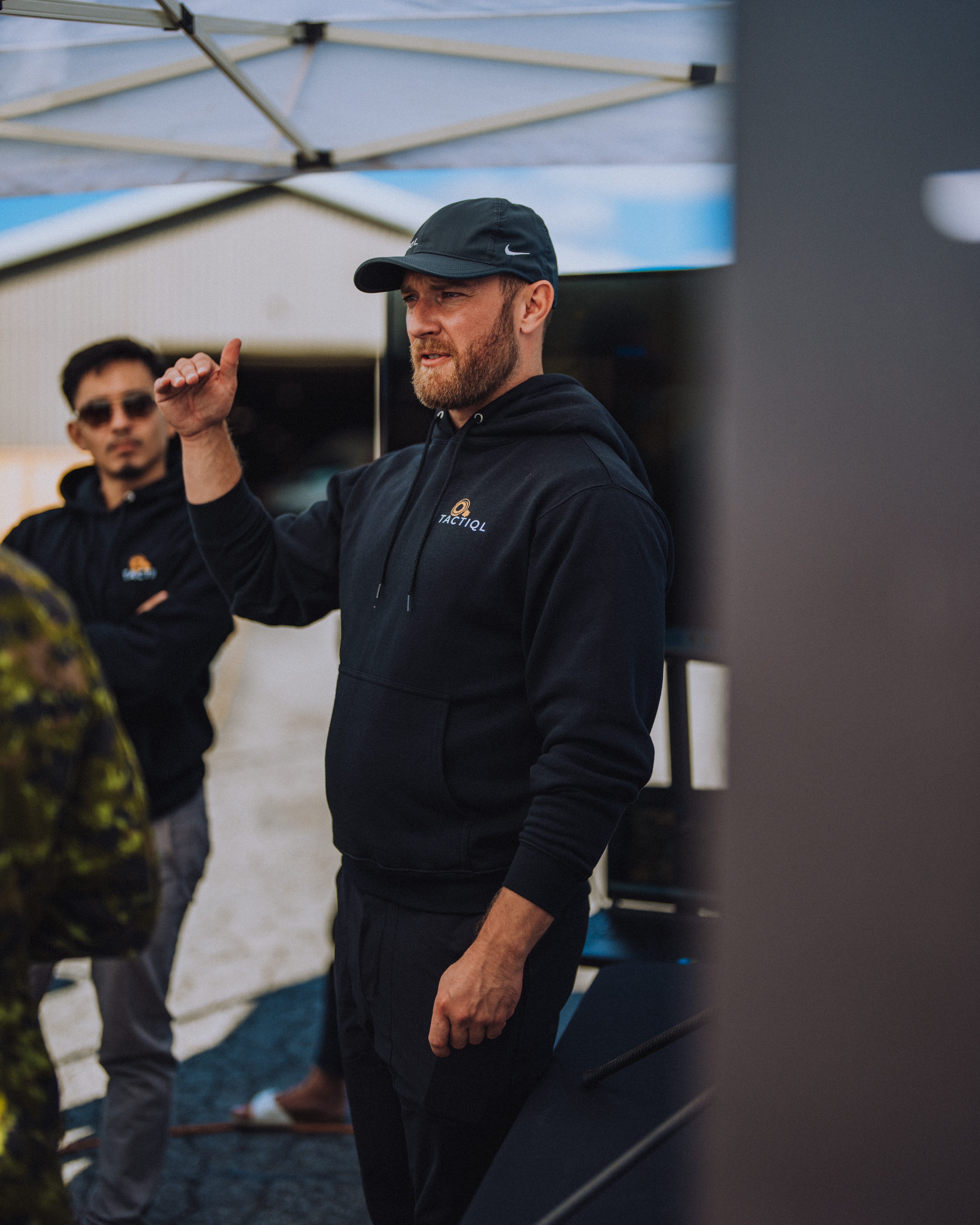
“We’re currently working very closely with the Army, Navy, and Joint Forces, as well as the RCMP. We’ve spent some time recently working with the U.S. Army and increasingly so with NATO.”
Have a friend or colleague interested in the startups and technologies shaping Canada’s most critical industries? Share this interview with them or your team.
What advantages does being a veteran-led company give TACTIQL?
“I think it’s empathy. Empathy and credibility would be the two key words.
From an empathy perspective, it’s really challenging to understand the problems that the military is facing. There’s a lot of noise, right? A lot of that noise is being perpetuated by industry and media. You have to be able to navigate through that noise and get access to the end customers, and frankly do root-cause analysis. The problem that’s communicated is rarely the problem that actually needs to be solved. Oftentimes what’s being communicated are the symptoms, not necessarily the source of the problem itself.
That empathy helps you bracket in on the target and identify what that root cause is, so you can actually scope out a problem that you can design a piece of software or hardware for.
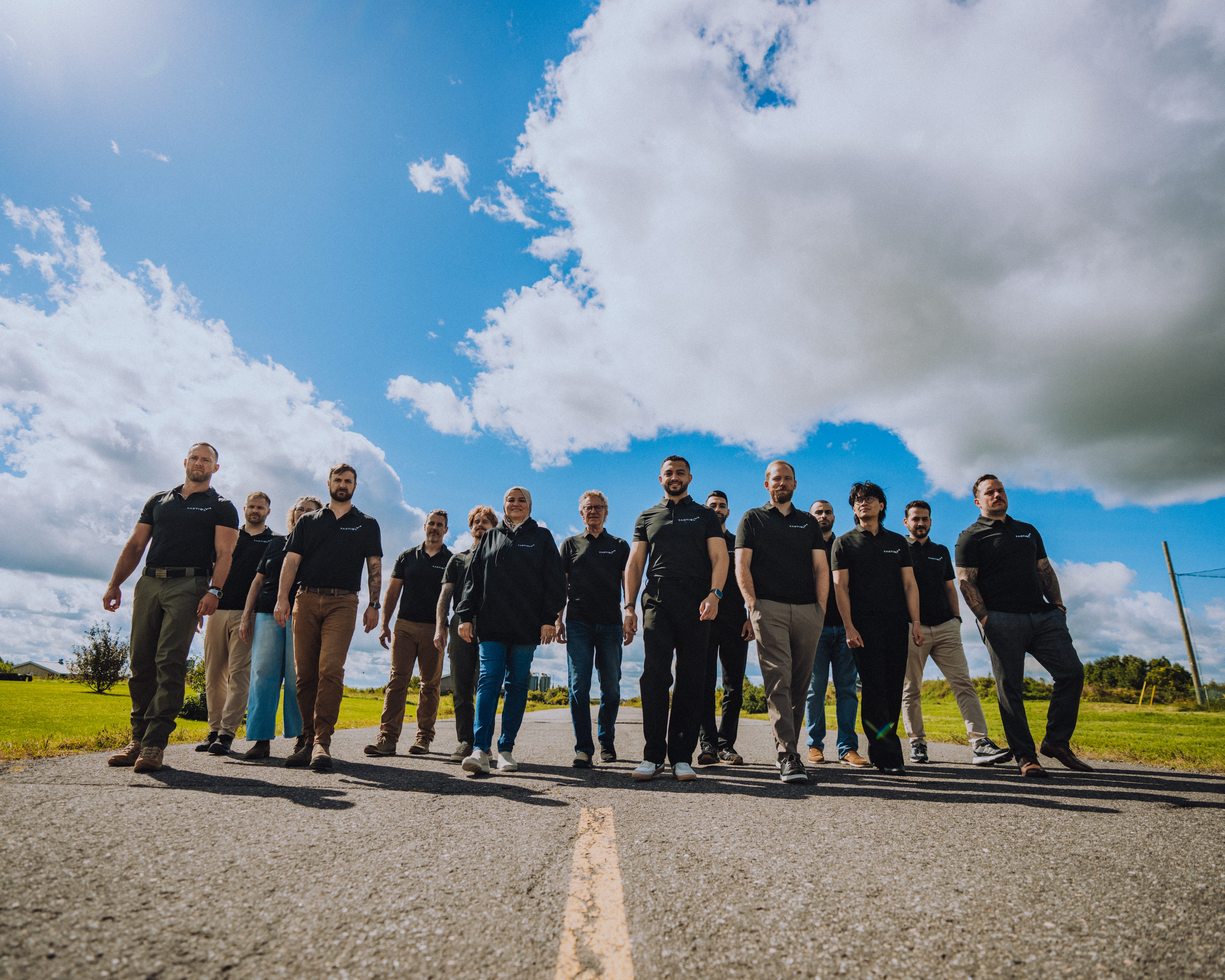
On the other side of that, and it’s related to empathy, is the credibility side. Coming into this from the veteran perspective, there’s already a certain level of empathy that’s built in, right? I lived some of it. I didn’t live all of it. Most people experienced a lot more than I did. But we’ve got about eight veterans on our team now, most of whom, if not all of whom, worked with the Army and our Special Forces. Their perspectives, as well as their ability to connect with end users, are critical.”
How have you financed TACTIQL so far? Are you looking to raise capital?
“We’re bootstrapped, and deliberately so. We want to ensure that the needs of the military are first and foremost our business objective. Financing is an enabler for us to deliver our value proposition and sustain the ability to continue to deliver value to the Canadian military and our allies.
Luckily, we’ve been able to finance getting the company going through non-dilutive funding, government grants and contributions, IRAP, as well as programs like NATO DIANA. I’m a big fan of these programs.
About 14 months into the company, we got our first sale, and we’ve been able to sustain the company since then through sales. By staying bootstrapped, we can keep our focus very clearly on the customer and addressing their needs.
Are we open to taking on dilutive capital such as venture capital? Open to it if the need is clear and if there’s alignment on the mission. I’m not willing to sacrifice our purpose or our customer focus for investor interests that aren’t aligned with our mission. I want to help keep TACTIQL sovereign by building a Canadian company, which includes Canadian IP, Canadian jobs, paying Canadian taxes, etc. Frankly, there aren’t a lot of exit options that allow us to achieve that in Canada.”

What should a young technical founder know before starting a deep-tech or defence startup in Canada?
“It’s way harder than you think. Way more downs than there are ups, and the downs are a lot more painful than most people think. You have to be patient. You have to be consistent. You have to have grit. To persevere. It takes time. There are no quick wins in this space.
Don’t get caught up in the noise. Focus on the root cause of the problem and keep laser-focused on it. Always be validating it. Always be solving for it. Always be testing your solution relative to it.
Do not try to use the news and social media to guide where your technology should go. Let the customer guide you. So long as you maintain that customer focus and your persistence, that’s going to give you your greatest likelihood of success.”
What is one other Canadian national-interest startup worth watching?
“I’m going to name two, if that’s okay. Massive fans of ANVIL and H2 Analytics. These are great companies led by great people that, like TACTIQL, were in it on defence before defence tech was cool. They have a very similar focus on the mission. I believe that their hearts are in the right place, and that’s really important to me.”
Why do you build in Canada?
“My heart’s here. For me, it’s super simple. Most people look at these things through a business lens. But for me, it truly is about service.
Canada’s my home. It’s my country. I believe in what we represent as a nation. I take great pride in our country. I’m a fourth-generation veteran. There’s no other option for me. I’m all in. This is it. There’s no other path.
I feel blessed that this is my only path, because I couldn’t imagine myself doing anything else or being as passionate about anything else as I am about waking up every day and grinding it out in support of the Canadian Armed Forces and our country.”
If you’re building something in Canada, I want to hear about it. contact@ethanmarcoux.com
Partners of The Canadian Explorers

The Canadian Explorers works with a limited group of sponsors that support the founders and startups solving Canada’s most difficult problems across defence, deep-tech and other critical industries.
The Canadian Explorers Live

Canadian companies are building some of the world’s greatest technologies, yet receive little attention compared to their international peers. Now, the biggest moments in Canadian startups are coming to video.


