


“Power is the great enabler.” — Daniel Sax, CEO & Founder, Canadian Strategic Missions Corporation
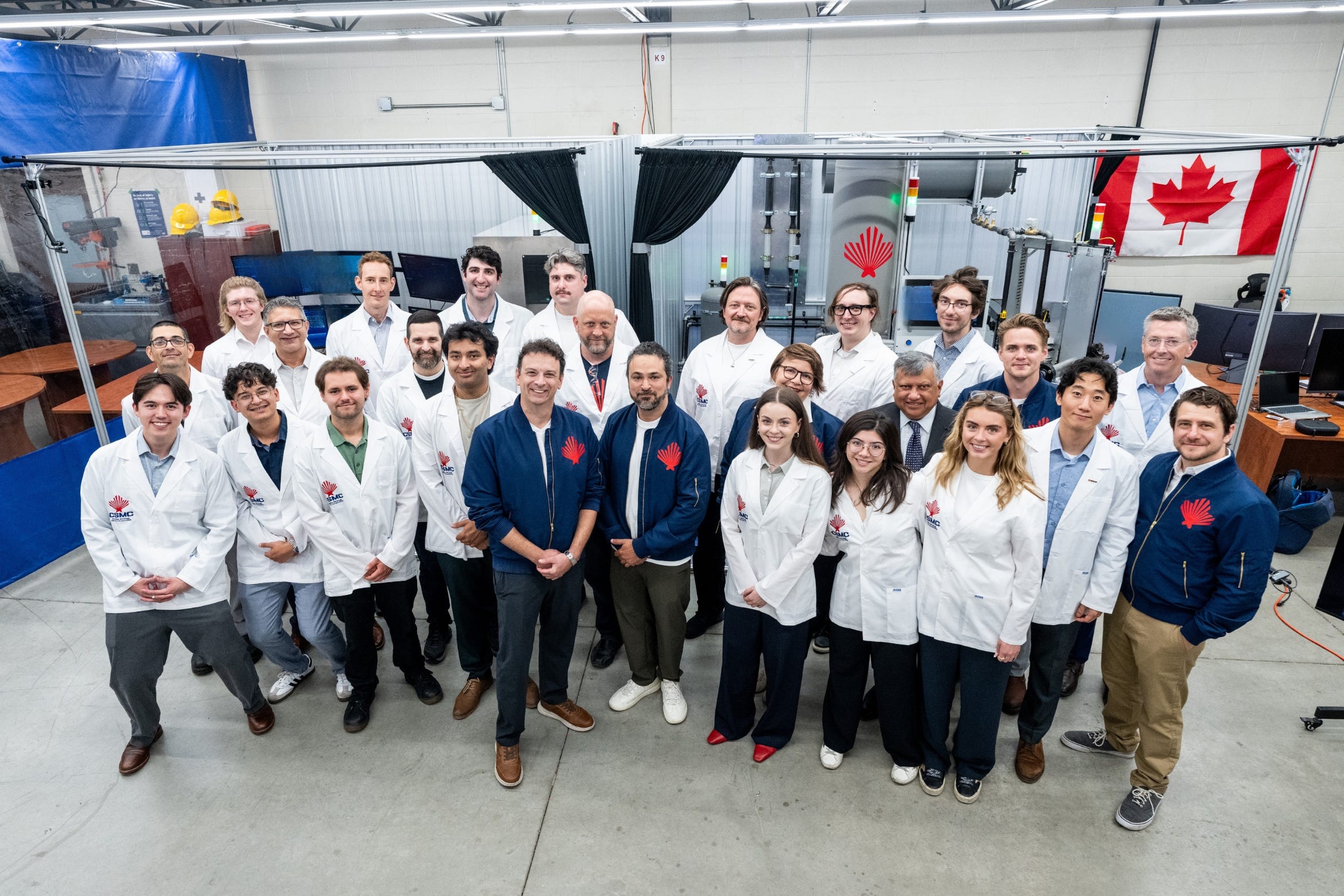
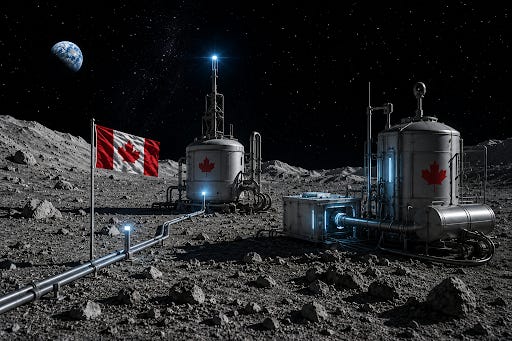
Canadian Strategic Missions Corporation (CSMC) is a Waterloo-based company founded in 2020 that is developing portable nuclear microreactors and infrastructure for the Arctic and Space. This includes quantum sensing systems for locating critical resources and LunaPure, a water purification system for the Moon. CSMC sees both Arctic and lunar systems as synergistic; they both share similar design pressures: remote, thermally harsh, logistically constrained, and highly sensitive to mass.
“We are here to build national, critical, and strategic technology for Canada, and to compete globally.”
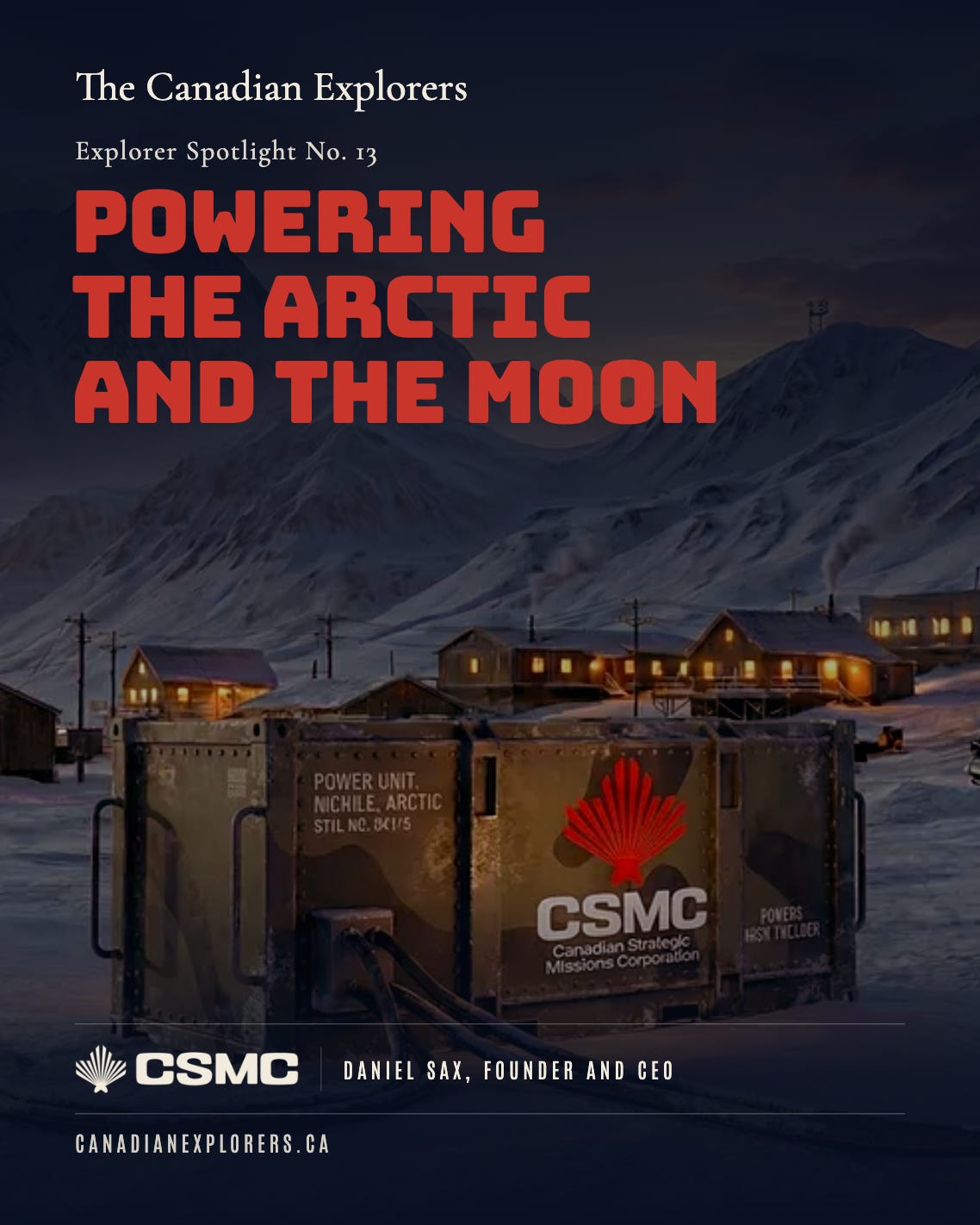
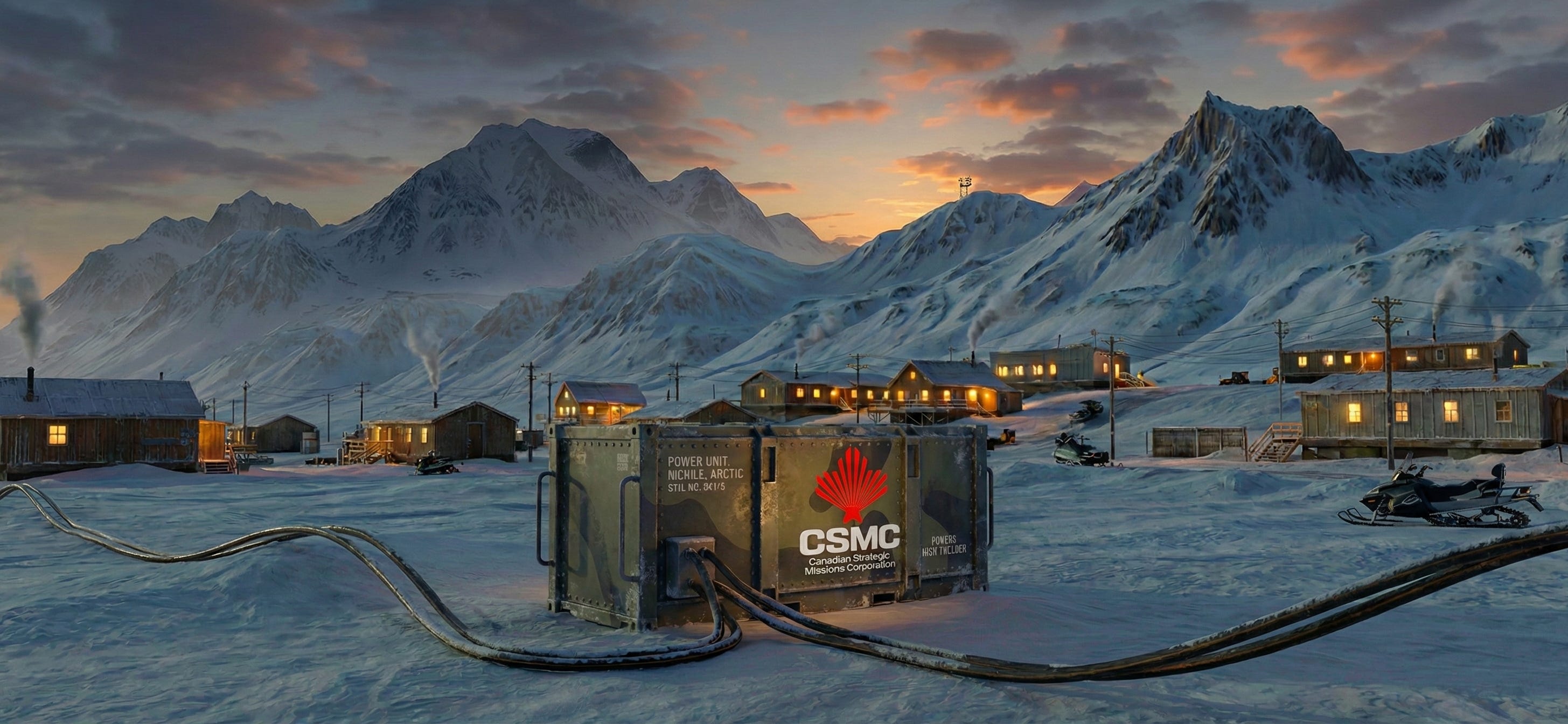
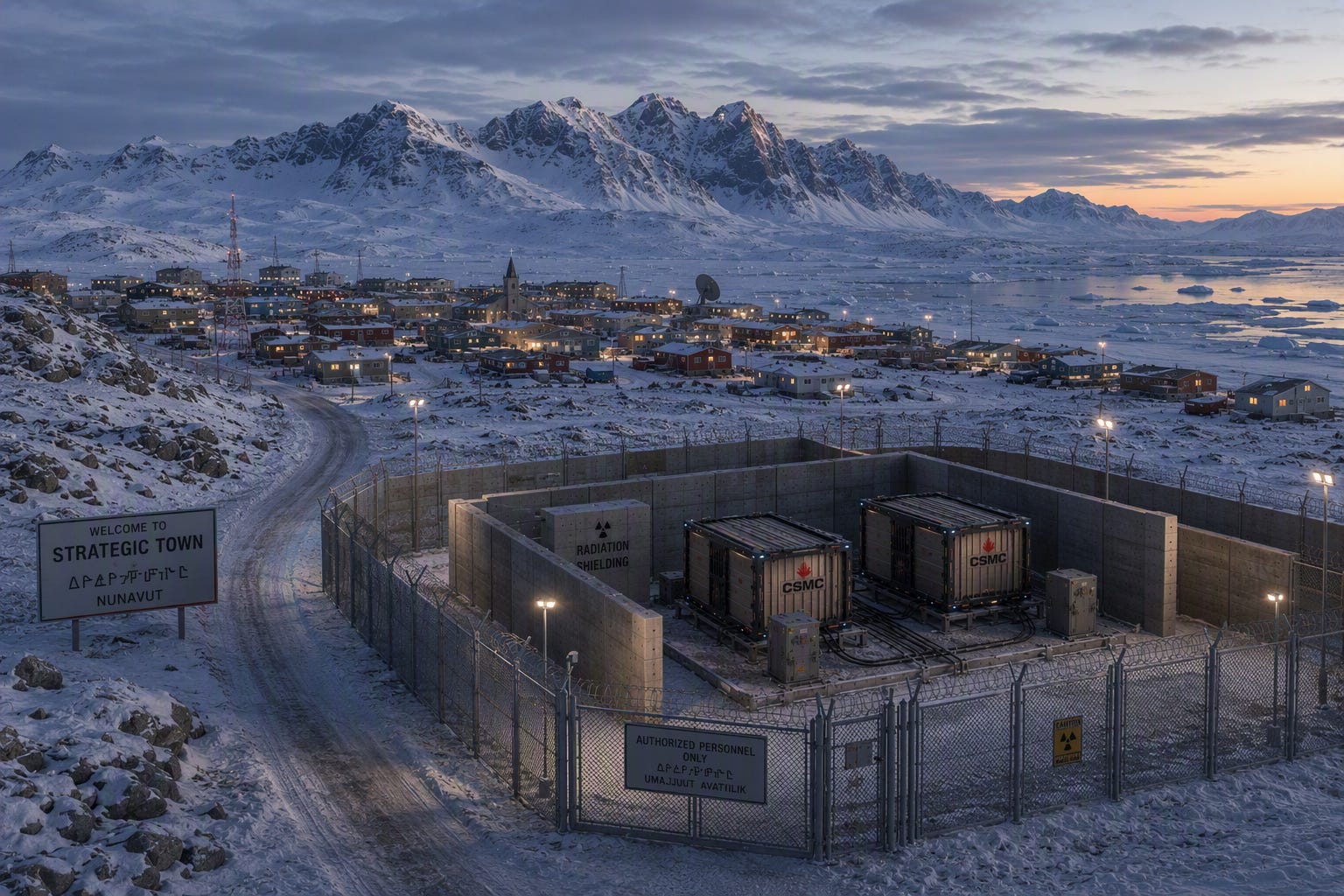
Power is the base layer for developing Arctic infrastructure, sovereignty, mining, defence, and economic development. CSMC’s Low Enriched Uranium Nuclear Reactor (LEUNR) is being developed as a factory-built, transportable nuclear reactor the size of a shipping container. A factory could build tens to hundreds per year, and the reactor can be deployed in a modular and scalable fashion, with the potential for multiple units per site.
“We need to move at the speed of relevance.”

The immediate competitor to LEUNR is diesel shipments. These are costly, difficult to transport and not scalable, requiring delivery every summer. CSMC is seeking to place a small reactor in the Arctic that does not require refuelling for five to ten years. The company has built an unfueled version of the reactor and is targeting a demonstration in 2028 and deployment in the Arctic in 2029 or 2030. Canada does not currently enrich uranium, so CSMC expects to rely on allied suppliers in the United States or Europe.
“Diesel cannot scale right now. We cannot bring more diesel up.”
CSMC was selected for the NATO DIANA 2026 cohort and has been active in both private and public capital. It has raised multiple rounds of angel and venture capital and is working on more. In July 2026, FedDev Ontario announced a $4.5-million investment in CSMC to advance its micro-nuclear power technology for the Arctic. Earlier in the year, CSMC won the Aqualunar Challenge, led by the Canadian Space Agency in partnership with Impact Canada, and received $400,000 to advance LunaPure.
“We need to make this the most competitive place to do business. Period. Full stop.”
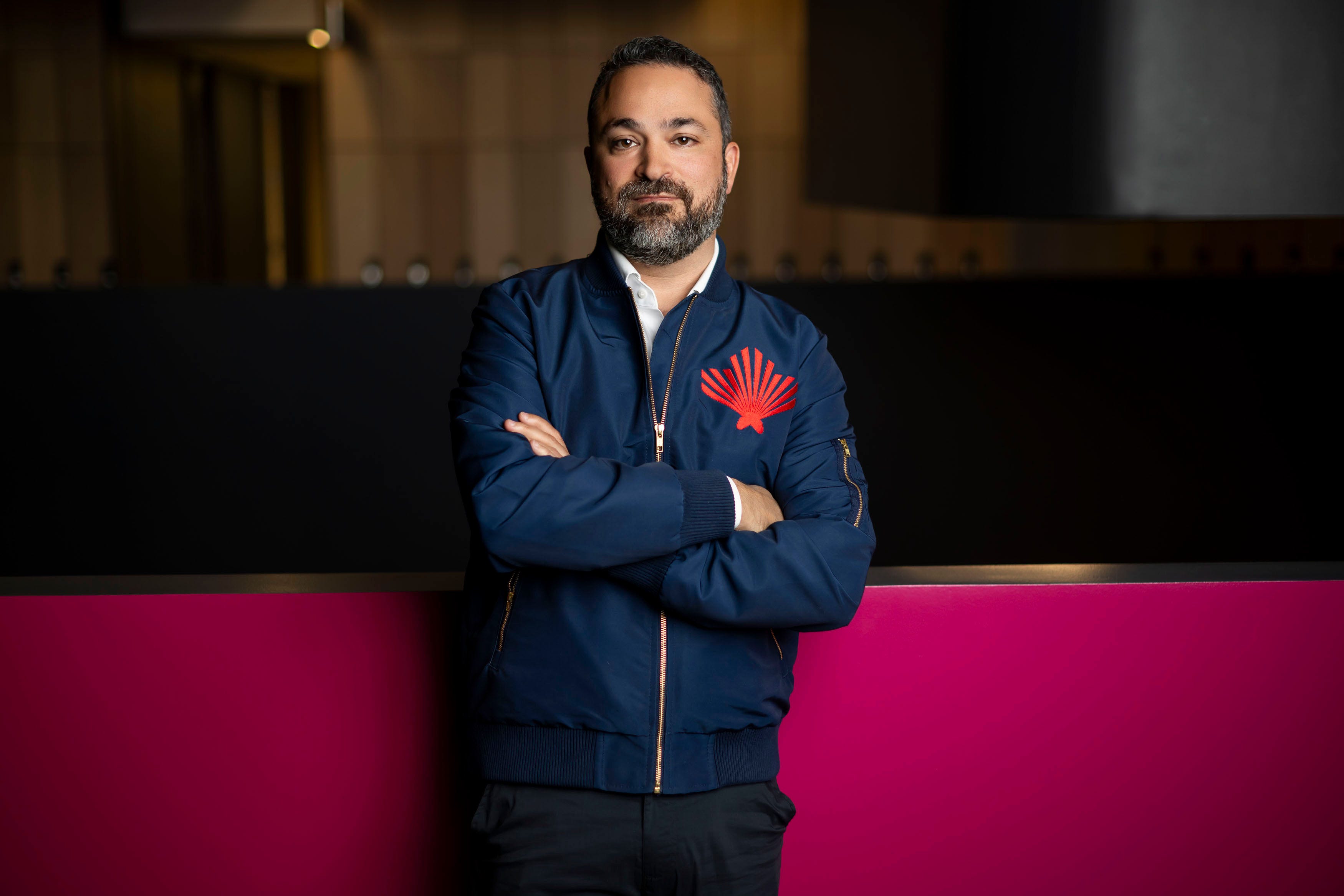
I spoke with Daniel Sax, founder and CEO of Canadian Strategic Missions Corporation, about portable nuclear power, Arctic sovereignty, lunar infrastructure, financing strategic deep tech, and building in Canada.
“It does not make me want to run. It makes me want to build.”
What is CSMC building, and why does it matter for Canada?
“CSMC is a space and defence company building nuclear reactors for remote and extreme environments. We are looking to replace diesel generators in the Arctic. Canada is constrained in its ability to build new infrastructure in the Arctic, and there is no baseload energy solution.
CSMC is building a microreactor, a nuclear reactor that is very small and capable of being transported into the Arctic, to replace diesel generators and power Canada’s sovereign posture in the North, as well as its economic desires up there.”
You began as the Canadian Space Mining Corporation. How has Canadian Strategic Missions Corporation changed?
“I don’t know that the company’s mission ever really changed, to be honest. When I look back at what we started out doing with the Canadian Space Mining Corporation, it was always dual-use technologies for space and Earth. There was always this tie between our need to build long-term capabilities in space that could power lunar settlements, the technical gaps required to do that, and finding a synergy with our needs on Earth today. That spanned both the civil side and the defence side.
Our first product to come out of that was really nuclear power. That is where our microreactor work stemmed from. As we grew our portfolio between nuclear and quantum, the question always came back to what it had to do with space mining. Reflecting on that, I don’t think space mining was the right descriptor.
The Canadian Strategic Missions Corporation is, in many ways, what we always were. It is just a better crystallization of that ethos: building key technologies core to national strategic objectives.”
Advertisement — Marconi Technologies
The Canadian Explorers is proud to welcome Marconi Technologies as its Founding Lead Partner.

You are working on nuclear reactors, quantum sensors, and a lunar water system. How do these technologies work together?
“You are always opportunistic and looking at the evolution of landscapes and opportunity sets as they come about. We see a lot of opportunities in both space and defence that could make sense if they fit with our synergistic mandate.
They are all long-term, base-layer infrastructure. When we began working on lunar water, it was clear that you had to mine it, process it, and purify it. That is our water piece. The quantum sensor was how you identified that water, so you are moving another layer down the infrastructure stack. If you go all the way to the base, you need nuclear power to power all these things.
That is how we see them as related. They are core pieces of the infrastructure stack, but no company, whether on the Moon or on Earth, is going to own every piece. We have focused on areas where we thought we could be competitive, where we have been competitive, and where we saw an opportunity.”

What is the LEUNR microreactor, and how does it differ from alternatives?
“There are a number of alternatives in the energy space: wind, solar, hydropower, batteries, and other core technologies. Some of these spaces are very dogmatic about it being either all this or all that, and that all other technologies are terrible. We are not part of that philosophy. We see all of these functioning within a grid environment in the right weighting based on your location, what is physically available, the infrastructure, demand, and other conditions.
Micro-nuclear reactors are really just very small nuclear reactors, no different from what powers the grid today in many places, only a very small version. We are all familiar with CANDUs, the large reactors. If you look at an SMR, the SMRs are only slightly smaller than a large reactor but with significantly less output. The BWRX-300 being built at Darlington is a 300-megawatt reactor versus a reactor closer to a gigawatt, but it takes up about 75% of the footprint of a large reactor. It is trying to compete for grid electricity in an area with significantly less demand, with the promise that it can be built cheaper, but it is not actually small and not modular.
Microreactors are about building something transportable that can be moved and potentially factory-built, where you build a number of them off a line. That is what we are building toward with LEUNR: a shipping-container-sized nuclear reactor deployable in several forms out of a factory, where we could build tens to hundreds a year and deploy them in a modular fashion. We could scale up a site with reactor, reactor, reactor, reactor.
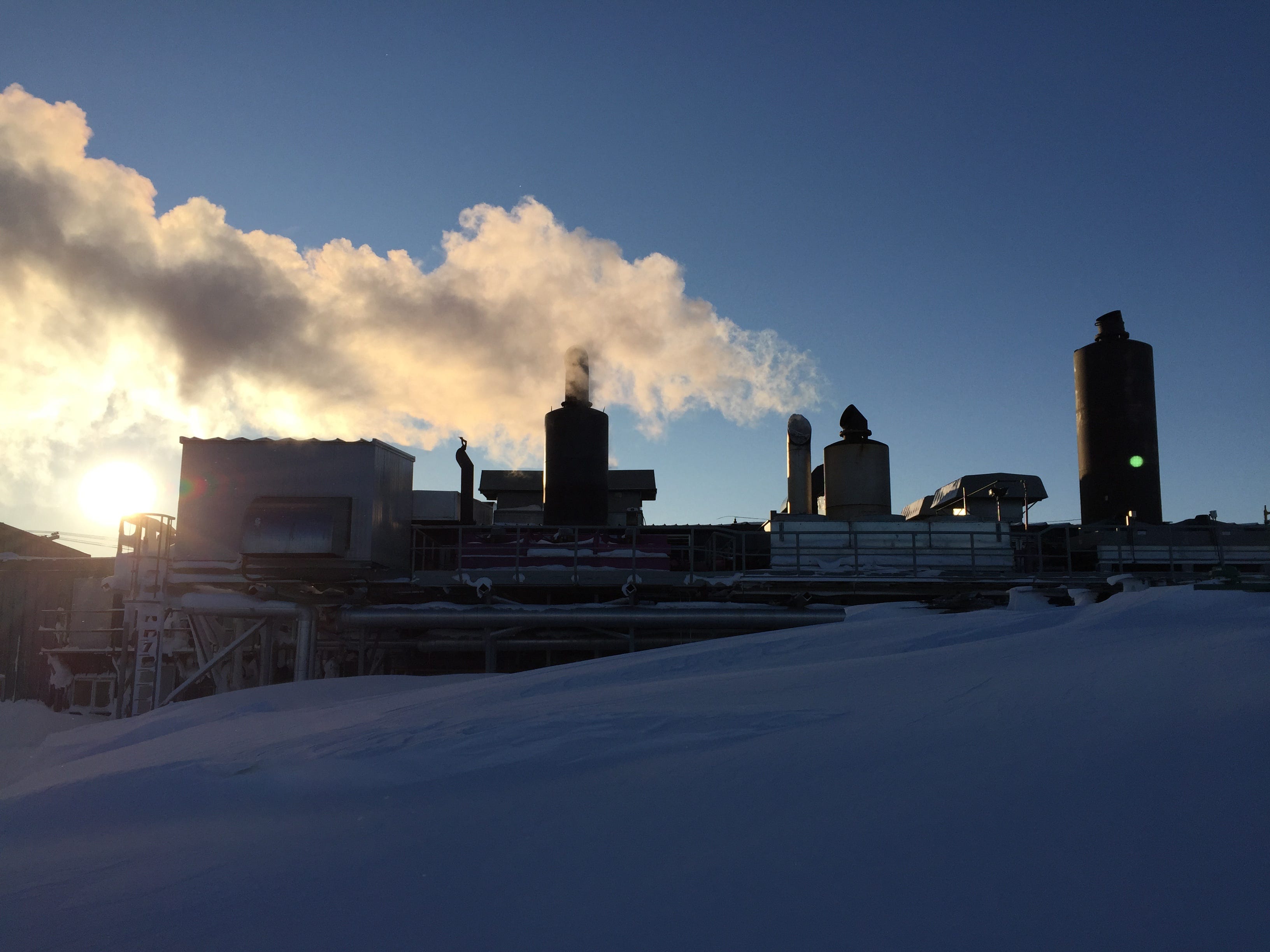
Nuclear is the baseload. Unless you have hydropower available, there is no baseload power option. You either have an unstable grid with solar, wind, and battery backups, which present challenges of their own, or you are burning gas or diesel. We are competing against gas and diesel, which are unsustainable, logistically challenging, and have a number of logistical weak points for militaries. Right now, Canada flies diesel into the Arctic. The military brings diesel into the Arctic every summer. That is a whole military operation throughout the year: barging it and then flying it on military aircraft to the 300 communities in the Arctic, most of which do not have roads. We are seeking to put a very small reactor in these places so that you can bring it up and it does not require refuelling for five or ten years. You no longer have the carbon output, and you have a more reliable power source.”
How would the reactors be shipped?
“We are somewhat agnostic. We are making them compact enough to be transportable on a military aircraft, but it depends on the location and what options are available. Boat, freight, car, or truck are all possible depending on the location. I think our main architecture would be to fly them on a military aircraft.”
What stage is the reactor at today?
“We have built an unfueled version of the reactor. We are pushing things through the design and engineering process. We are working toward a fuelled demonstrator, or criticality demonstration, in 2028, with a deployment into the Arctic in 2029 or 2030.
Before demonstrating it in the Arctic, we will likely demonstrate it through a pilot project in the South. That is what we are working toward right now.”
What can one reactor power?
“We would see one reactor as a minimum viable product: enough to get a minimum town or base loaded. Some bases may require a handful of units. As we think about Canada’s needs, it is anything from forward operating bases and remote sensor sites to large ports and other pieces of infrastructure over time.”

Does Canada have the fuel supply it needs?
“It is a challenge for Canada. Microreactors require enriched uranium because of their compactness, and Canada is not enriching uranium right now.
There are partners around the world conducting enrichment activity from whom we can procure and are in talks with. Some of those partners are in the United States, which presents one set of challenges. Some are in Europe, which presents another set of challenges. There is also enrichment capacity in Russia, which is not a viable option for the foreseeable future.”
By replacing diesel in the Arctic, what new capabilities are unlocked?
“Diesel cannot scale right now. We cannot bring more diesel up. Full stop. From an economic-development perspective, we are capped. If we need to scale, we need to do so with nuclear. The question is how.
We believe we have the safest, most secure, and most mature solution domestically and within NATO outside the United States. Our goal is to scale into Canada, power all of the infrastructure in the Arctic, get to a scale where we are powering, let’s say, 300 communities with nuclear reactors, and then scale across NATO and allied countries looking for non-US options.”
Do you see the Arctic becoming a larger part of the Canadian economy through scalable power?
“For sure. If you look at the money the Canadian government is allocating to Arctic infrastructure, that will drive opportunity. As it brings roads, ports, and more connectivity through fibre and satellites into the North, it will create more opportunities.
Right now, Indigenous communities in the North are economically constrained. They are constrained by a lack of connectivity, logistics, and power. You cannot build a factory if you cannot power it or bring the materials up there. These things are inextricably linked.
Power is the great enabler. We need to provide a safe, secure, reliable, and scalable power source for Canada’s Arctic to drive economic activity. It provides opportunities for Indigenous communities and others that are not there right now.
If we think about reconciliation, the real reconciliation is having the ability to pursue economic development. I think Indigenous communities see that as a path forward. They want jobs. They want to build their own jobs, not just be handed a job, but build their own businesses. Without power, that is impossible.”
What makes operating in the Arctic and on the Moon similar or different? How much would an Arctic reactor need to be adapted for the Moon?
“Originally, we adapted a Moon reactor for the Arctic. There are challenges in the thermal environment, remoteness, and connectivity, and both are fundamentally mass-limited markets.
In the Arctic, there are a limited number of logistical options. On the Moon, there are even fewer, and you are paying per kilogram. Launch is effectively a cost per kilogram. We see these environments as synergistic because they provide design constraints that help us be creative and innovative in our solutions. Our team is fantastic at that.”
CSMC has secured substantial non-dilutive capital. What have you learned about what governments are willing to back?
“Hopefully I have learned something along the way. Governments are willing to back things that fit what they believe are critical gaps, both domestically and internationally; companies that can deliver on time and on budget; and projects that drive economic and social opportunities beyond themselves. Government funding, non-dilutive funding, and contracts do not become easier. They remain hard. It is a challenge for anyone to go out and win them. We have been a mixture of lucky and successful in winning these things, with really bold ideas, a ton of hard work, and a little bit of creativity.”
How do you view private and venture capital compared with government funding?
“They are both necessary. Private capital is always necessary. If you can bootstrap a business all the way, that is great, but it is hard to do in deep tech. You need both government and healthy, functioning capital markets. There is talk of free markets and the invisible hand. In deep tech, you are competing against companies and countries that have the full backing of government. There is no even playing field.
You have multiple facets: government support; government as an end user and customer; and private and public capital markets. You can have no government support but fully healthy capital markets, both public and private, where the cost of capital is low, and there is a great deal of available capital. If you have less of that, you need more government support if you want to compete globally.
Both are necessary. We are always talking to capital, raising capital, and looking for the right partners. We have raised a couple of rounds of angel and venture capital and are working on more. It would be good to see more capital flowing through the Canadian VC system, which has been fairly dysfunctional over the last couple of years. I think everyone is waiting for the first shoe to drop in these spaces.”

What is the biggest lesson you have learned from founding CSMC, and what advice would you give to a founder building a deep-tech startup today?
“In many ways, it all comes back to people. Whether they are in government, on the investor side, on the team, or partners, people are important. How you treat people is always important. Finding the right people is important. You will find people who are philosophically aligned. The hard thing is finding out who is and is not. It is never an easy process.
My recommendation to a deep-tech founder is to find something that matters to you. This is hard. It is harder than doing other things. You need to be doing something that matters to you, but you also should not fall in love with your idea. You need the right level of conviction in the idea, the ability to hear feedback and product-market feedback when appropriate, and the ability to ignore that feedback and follow your instincts at other times. There is no right answer. It is always a risk weighting, but trying to maintain objectivity about your own business is important.”
What do the next 12 months look like for CSMC?
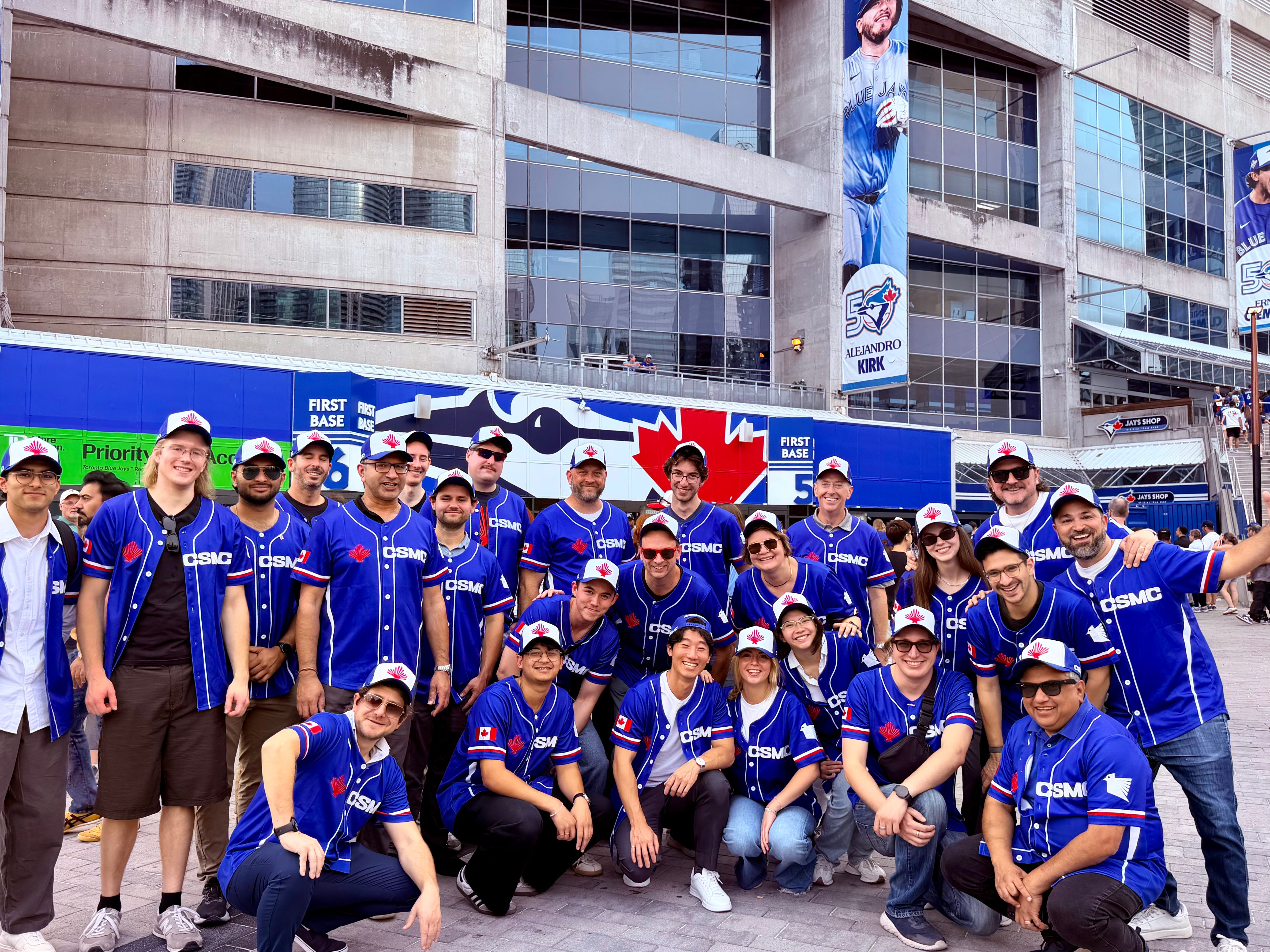
“We are building and growing. The last year has been incredibly busy. It has felt almost nonstop. Apart from a couple of personal vacation days, I feel like I have not taken a breath. The next year will be much the same. That means engineering, driving business development, hiring the best people, and growing the team. We have tripled since the start of the year in terms of scale and revenue.
We will be working through challenging markets: business development, an innovation-resistant nuclear industry in Canada, and the machinations of government as it tries to adapt to moving faster. All of these will be challenges, along with capital markets and marketing. It is a really exciting time at the company. We have added four amazing people in the last two weeks and are trying to add another 15 to 20 people this summer. I am very excited about what we are building.”
What drives you to create such an ambitious company? How can Canada move faster and think bigger?
“Looking back at my career, I was always attracted to these things. Part of that may be that I have one or two screws loose. I did a master’s degree in real estate and was always attracted to really big, complex projects. I look at nuclear and its scale, and everyone says it takes forever. Nuclear is so long. How will you do that?
I started my career working on real estate development in Calgary. I am on the board of a project that is still going on all these years later. The scale and timeline of real estate align quite well with the scale and timeline of doing things at a national and strategic level. To me, the timeline and scale are not a challenge.
How we do more of this in Canada is a fundamental question. Things are moving in the right direction, but we need to move faster. We need to move at the speed of relevance. We are good at patting ourselves on the back and saying, “We are moving fast now.” Are we moving at the same speed as our international competitors? If not, then we need to get to work. We need to figure out how to move faster, reduce regulatory barriers, get out of our own way, and have conviction in ourselves, especially on the capital-market side. That is a huge missing factor.
We need to make this the most competitive place to do business. Period. Full stop. Not simply better than we were. We fell off. We got lazy. We got complacent. Small improvements are not going to make the difference. We need wholesale change across policy, government, the way government does business, the way it approaches the private sector, the way it works with the private sector, and the way it champions the private sector.”
Why build in Canada?
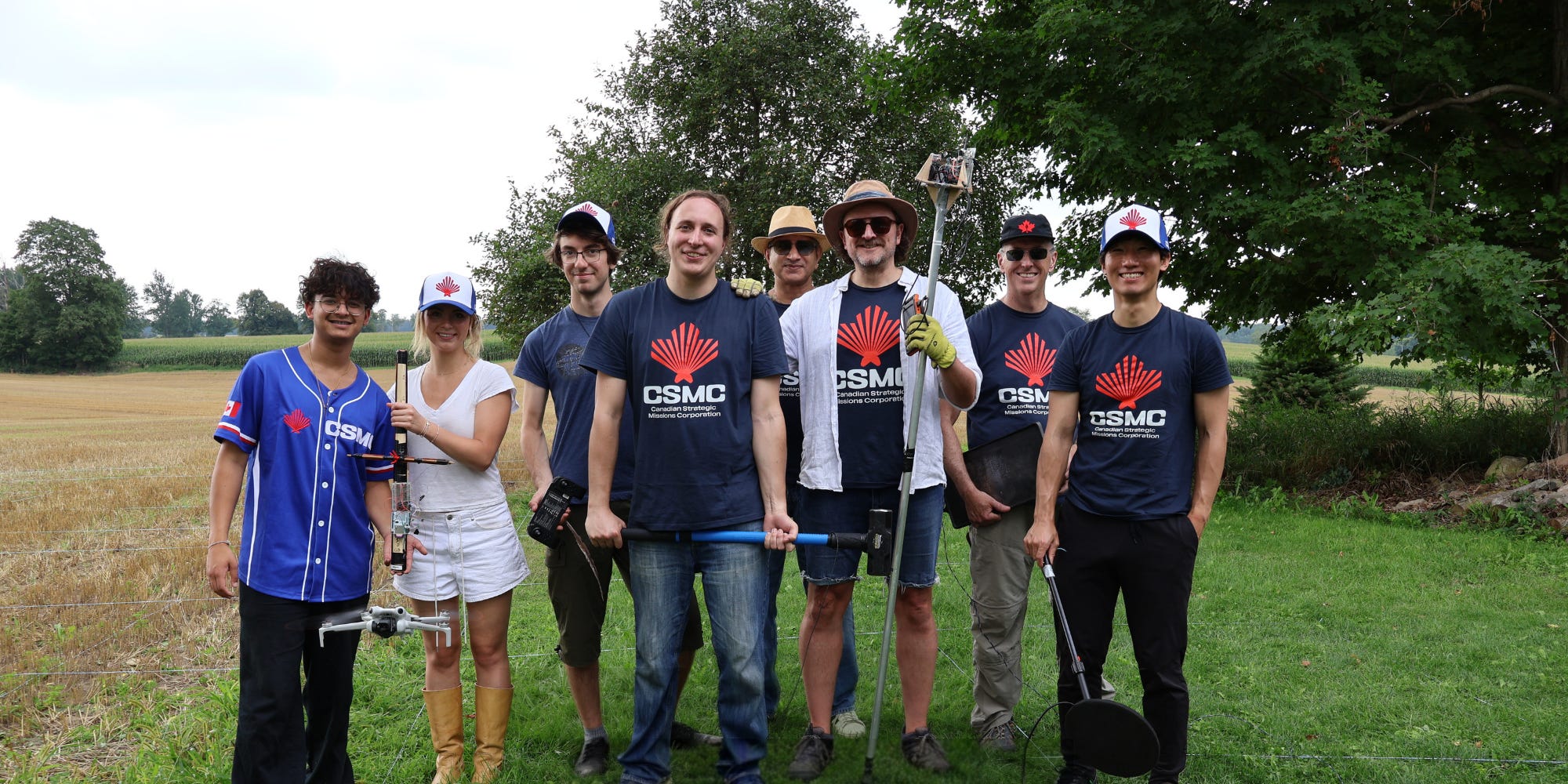
“This is home. I love this country. I think it is the greatest country in the world, and this is where I want to build. I spent a lot of time living and going to school in the United States. Canada is a fantastic place. The ethos here is incredible. It is challenging to build here. It is more challenging than it is in some other places, but we have a fantastic ecosystem and an amazing country.
There is a need for people to build more at this moment. The sentiment can be quite negative right now. You speak to your friends, and they want to leave Canada. They think the economy is shit, tax rates are high, public safety is low, or their car gets broken into. We are all hearing these things in our friend groups. It does not make me want to run. It makes me want to build, and to build the best Canada we can. When the going gets tough, the tough get tougher.
That is why we show up at CSMC every day. That is why the team is motivated by the strategic mission. We are here to build national, critical, and strategic technology for Canada, and to compete globally.”
What is one other Canadian national-interest startup you are watching?
“There are so many good ones. I am a big fan of Paul Ziadé at North Vector Dynamics. He is very sharp, very motivated, a real driver, and a good friend. I think it is a great company, and they will do great things.
I am watching the launch companies. Between the three of them, they come from very different angles. It is a key capability for Canada. There are also many great quantum companies, and there is what Eliot Pence is trying to build at Dominion Dynamics.
But if I had to pick one, I’d pick Paul.”
If you’re building something in Canada, I want to hear about it. contact@ethanmarcoux.com


Another excellent article, Mr. Marcoux. Thank you.