


The Canadian Arctic has more than 162,000 kilometres of coastline, accounting for 75% of Canada’s total. Temperatures can fall below -50°C, geomagnetic disturbances can interfere with communications and sensors, and shifting permafrost makes the terrain unstable. The Arctic is both vast and harsh, but it needs to be defended. Meanwhile, Canada’s defence policy has warned of increased Chinese and Russian activity in the Arctic, including the deployment of dual-use research vessels and surveillance platforms.
China describes itself as a “near-Arctic state.” Canada and the U.S. are currently shadowing Chinese research ships in the Arctic, amid concerns that their sonar and buoys could be used to map subsea infrastructure and track submarines.
Canada needs to monitor its northern territory effectively. This is what Dominion Dynamics is solving. The company was founded in Ottawa on the 81st anniversary of D-Day, June 6, 2025. Just over a year later, it raised C$139 million in the largest Series A in Canadian defence history and the second-largest defence Series A globally. Dominion is positioning itself as the next Canadian defence prime and is moving fast.
“We’re building the operating system for pan-domain command and control.”
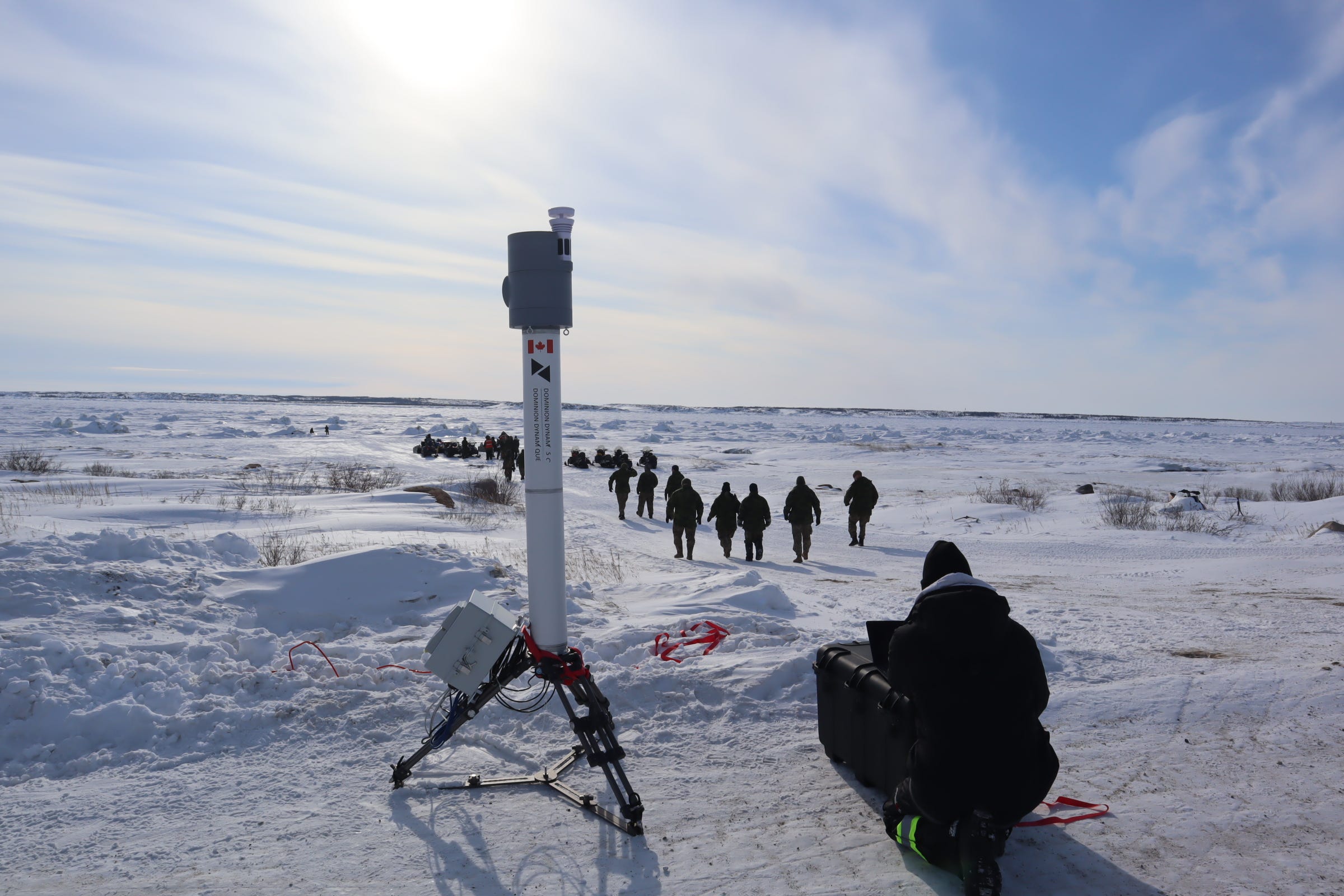
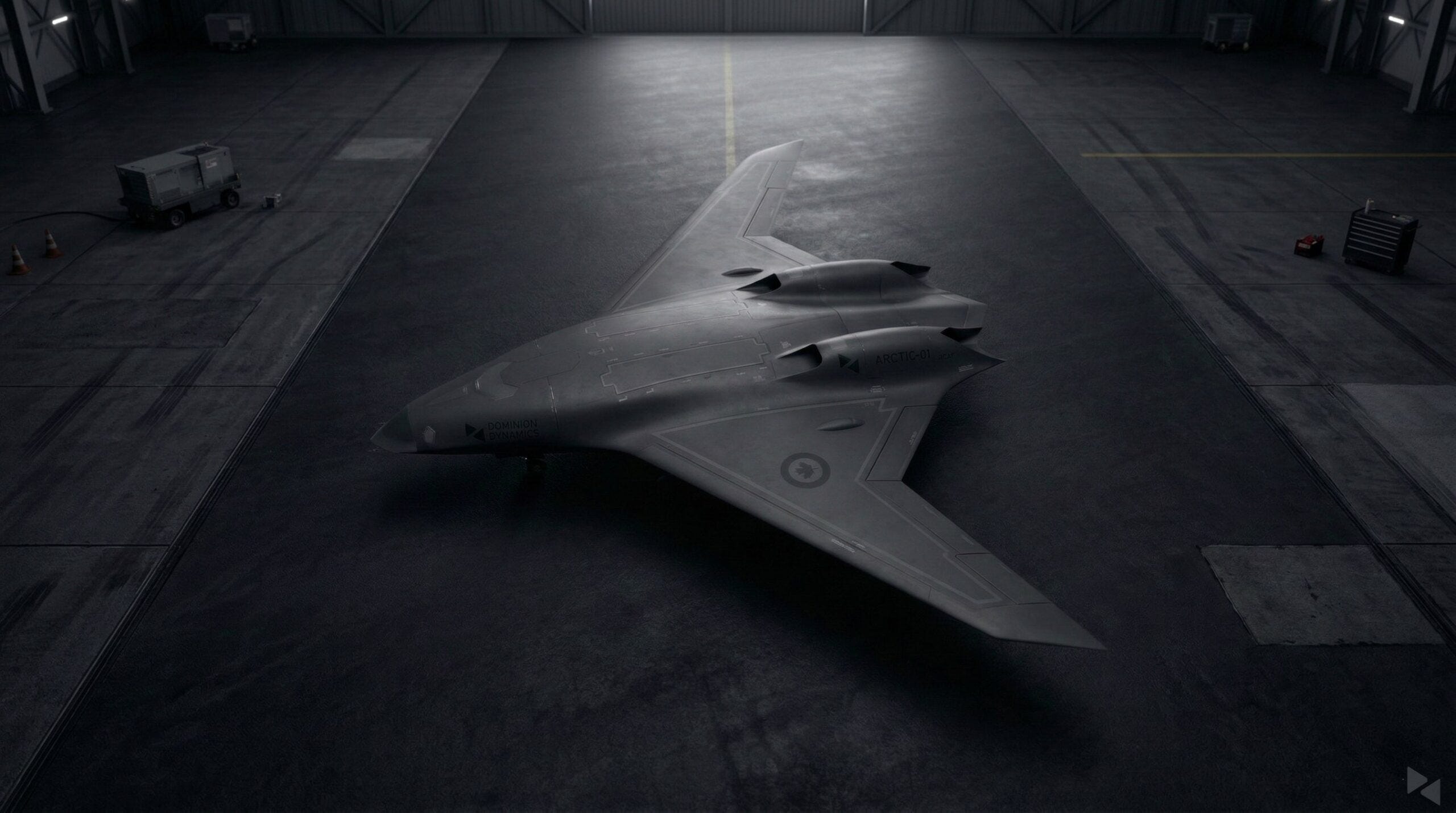
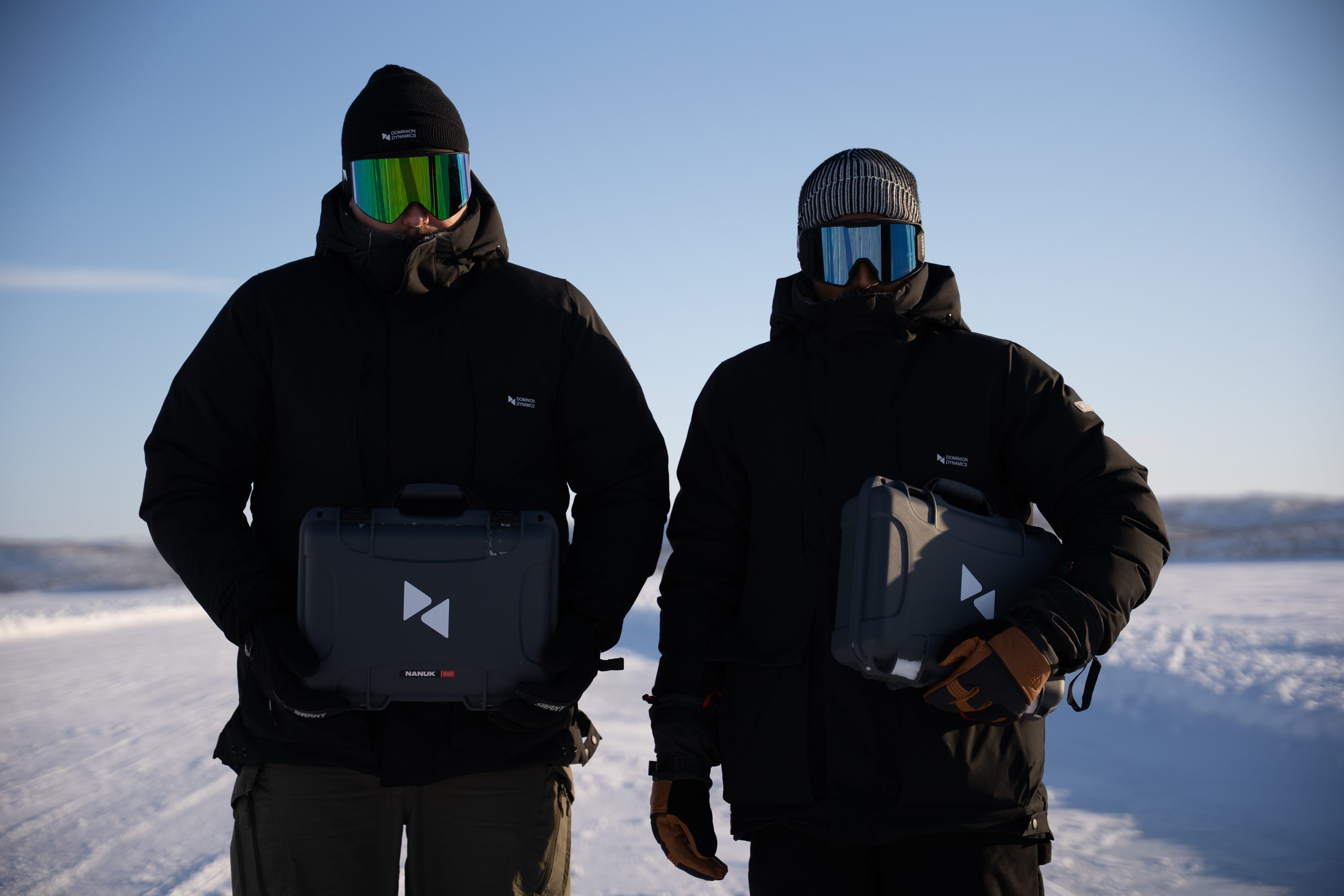
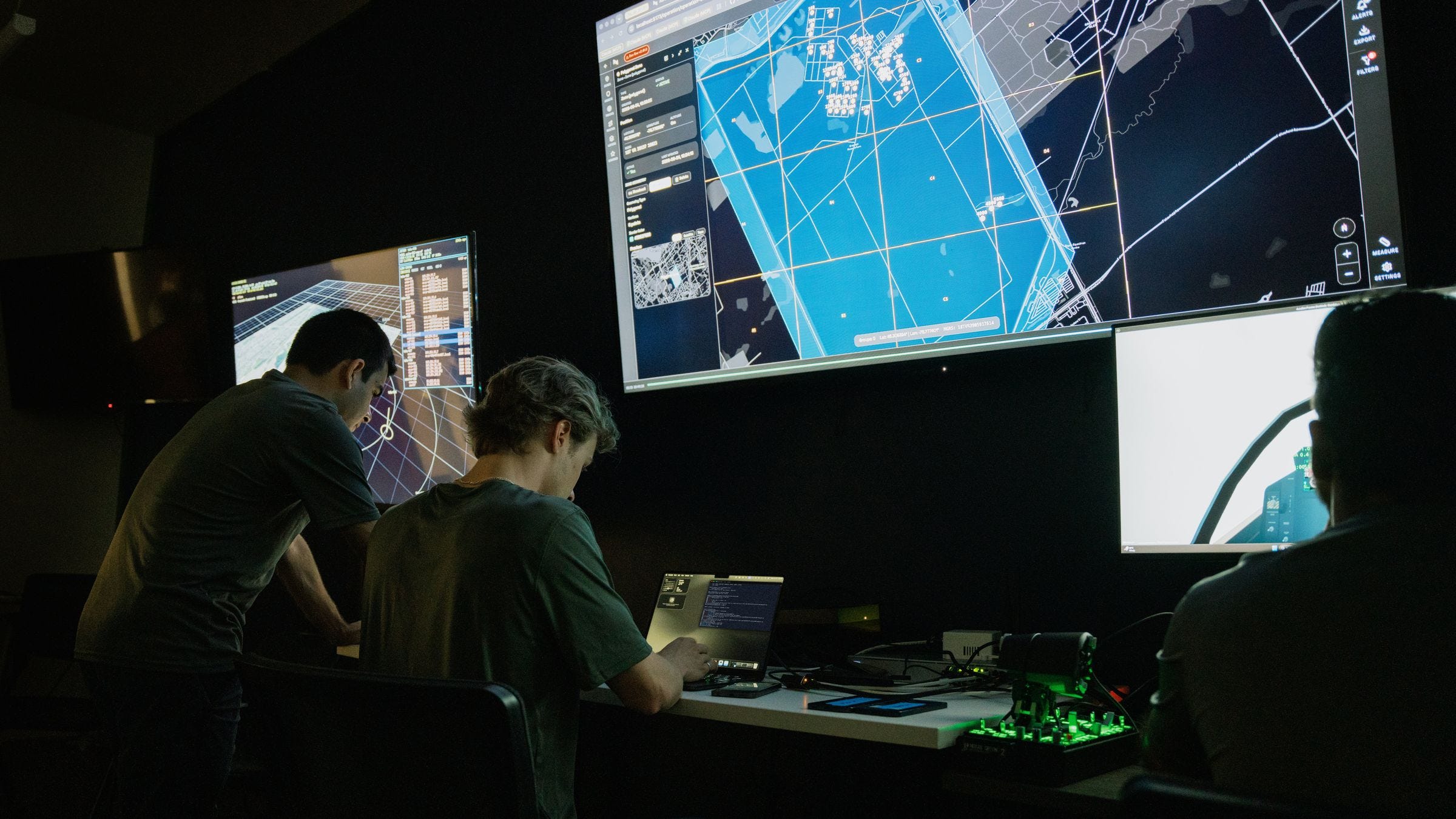
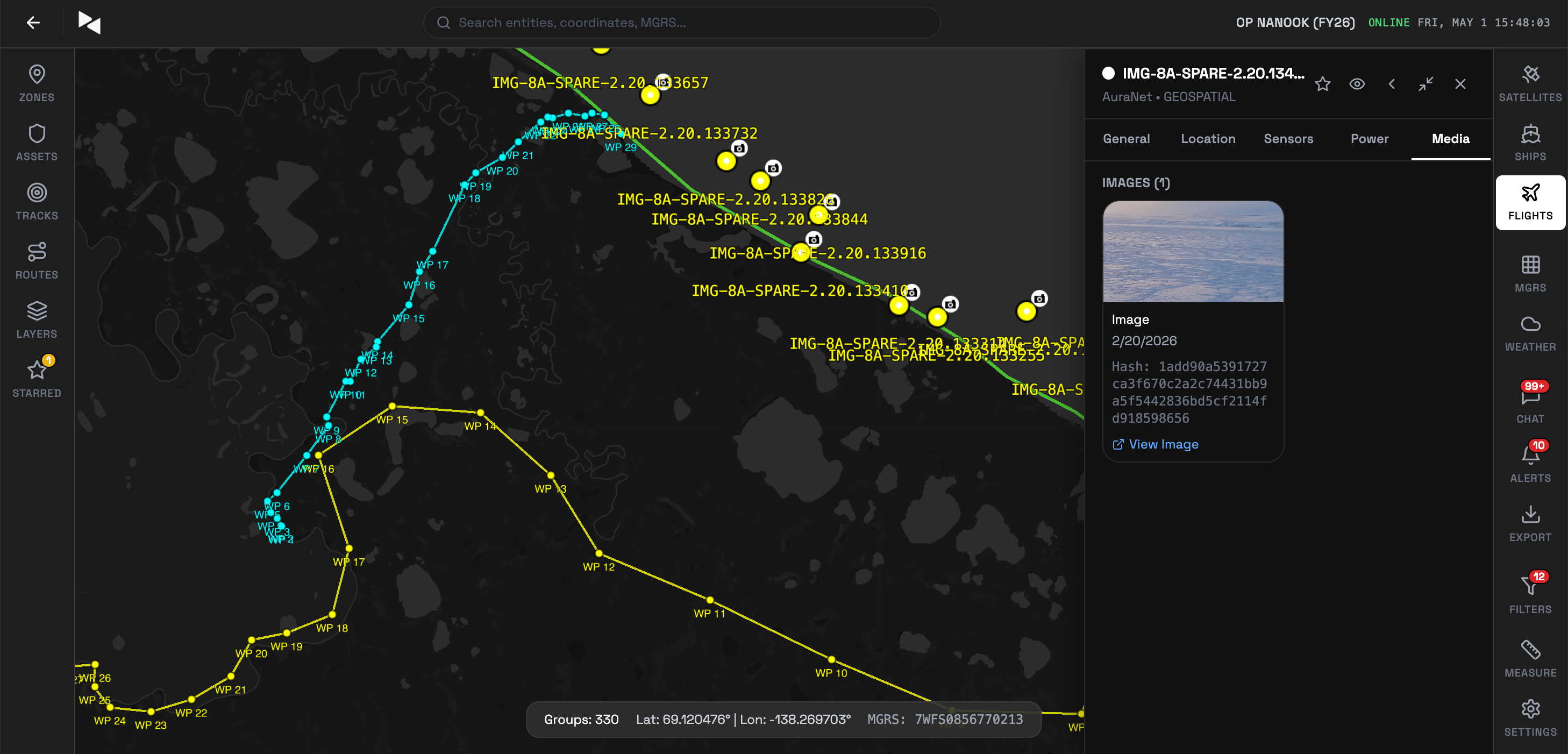
Dominion is focused on two core systems. AuraNet combines sensor, communications and operational data across domains into a common operating picture. In February 2026, during Operation NANOOK-NUNALIVUT, Dominion deployed AuraNet alongside the Canadian Rangers for eight weeks, travelling 5,200 kilometres through the High Arctic. The second core system being developed is Dominion Scout, an Autonomous Collaborative Platform (ACP). Dominion Scout is an uncrewed aircraft specifically designed to operate alongside fighter jets in the harsh conditions of the Arctic.
“We need dozens of Canadian defence companies to exist for us to be successful.”
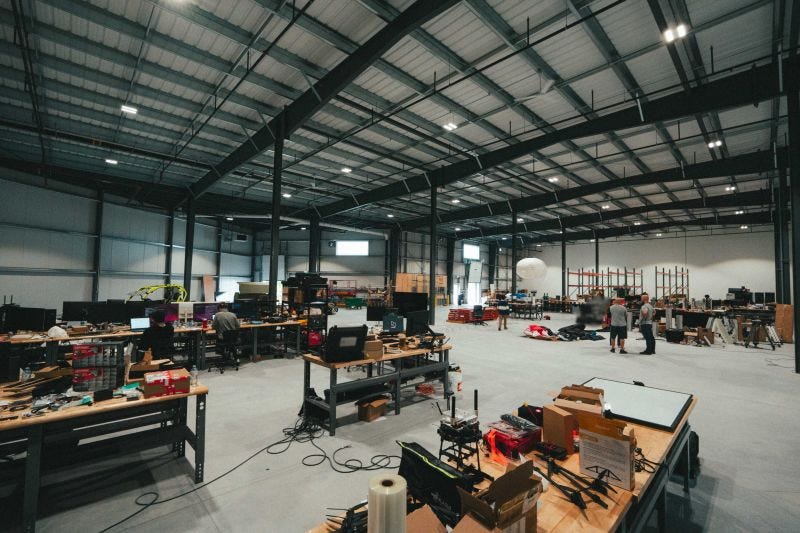
Dominion recently moved into a 25,000-square-foot manufacturing facility in Kanata. The next year will involve hiring hundreds of people, finding additional real estate, building prototypes and continuing to earn the trust of military operators. The Canadian buyer can be slow and bureaucratic, with major defence procurements taking an average of 16 years. Since Dominion’s Series A, however, contracting has accelerated. The company has now secured three government contracts across two services.
“Can you go from $50,000 to $5 million to $50 million in the course of 12 months? If you can’t do that, then we haven’t solved the contracting problem.”
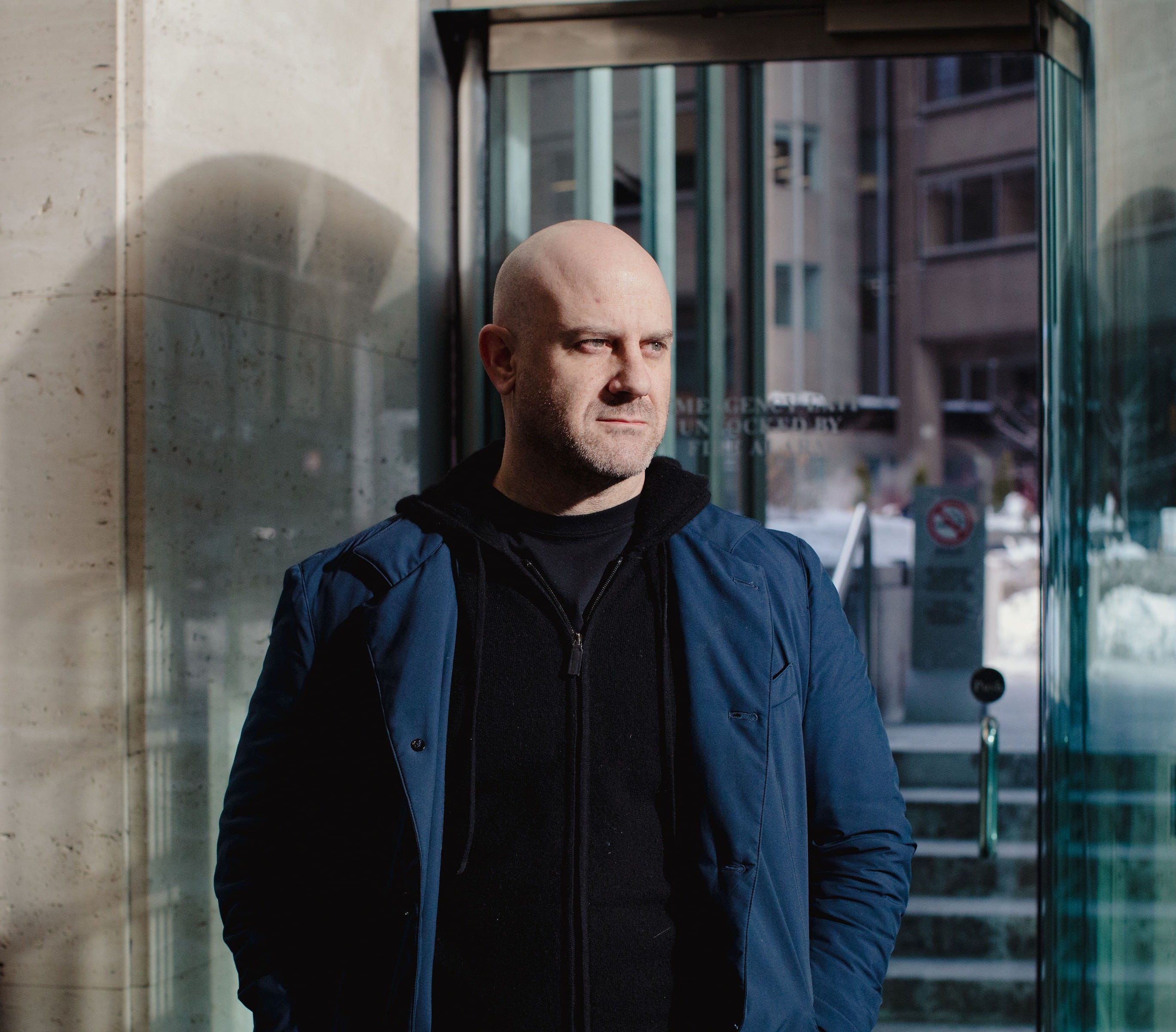
Founder and CEO Eliot Pence led global growth at Anduril from 2018 to 2022 and is co-chair of the Alliance of Canadian Defence Companies. I spoke with him about turning private capital into military capability, building a Canadian defence prime and whether Canada can move quickly enough to become Dominion’s first major customer.
“It’s important that Canada demonstrate that it believes in itself.”
What is Dominion Dynamics building, and why does it matter for Canada?
“We’re building the operating system for pan-domain command and control. It matters for Canada because we have the largest territory per capita of any country in the world. And we need technology that can compress what’s called the kill chain, so the sensor-to-shooter bridge.”
Could you walk me through your core product lineup, and the expected revenue model?
“We’re focused on two things. One is called AuraNet, and another is called Dominion Scout. AuraNet is our command-and-control software. What that allows you to do is, as the term suggests, command and control autonomous systems across domains, from seabed to space. Dominion Scout is a physical capability. It’s a drone that can sense, interdict or kinetically defeat any threats to the Dominion (to Canada). We are essentially a defence contractor, so we work on behalf of governments. We are focused on the Canadian government. Our revenue is dependent on the government trusting us and giving us projects to work on.”
Where is Dominion Scout today, and what will it be able to do that existing alternatives cannot?
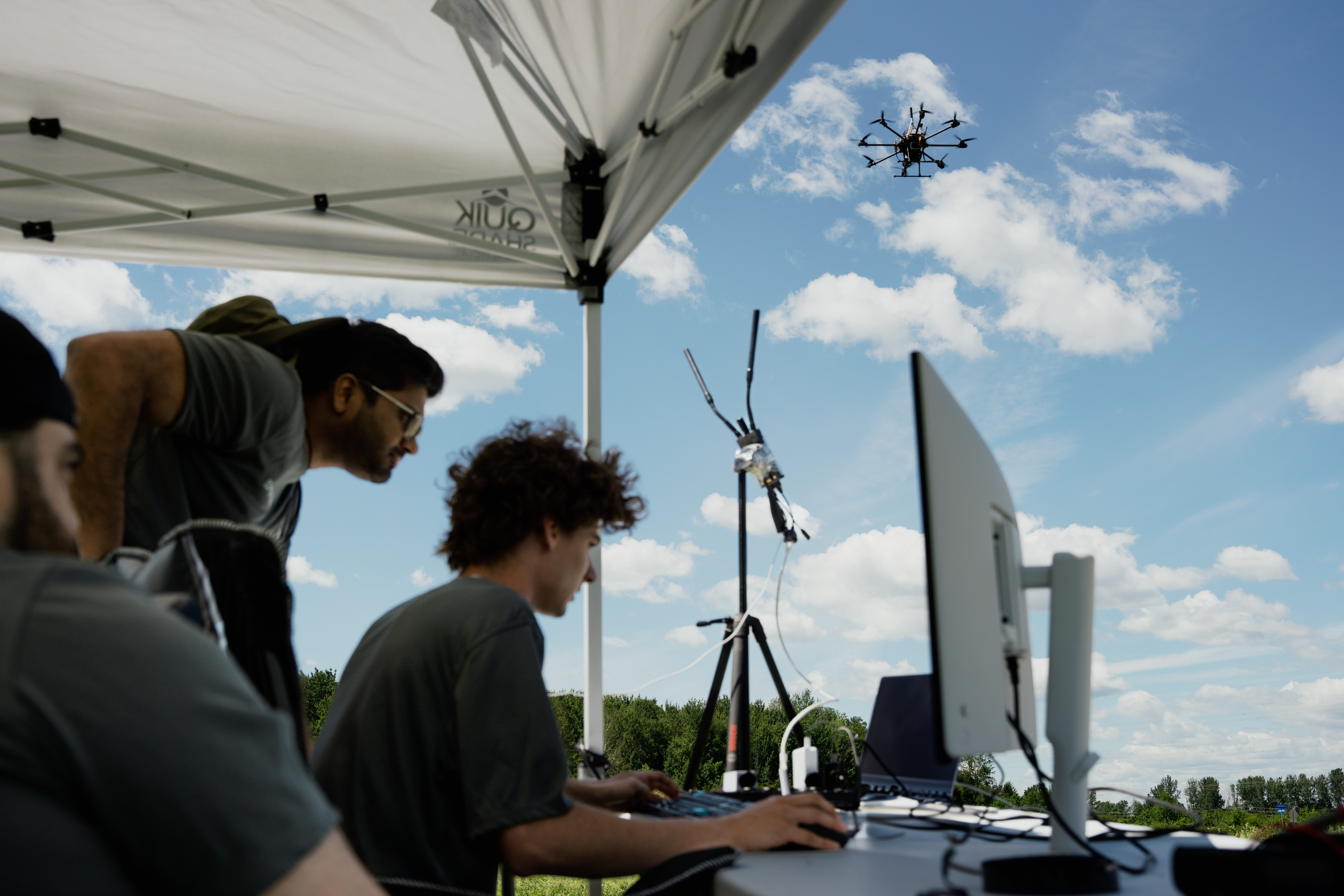
“Today, we’re building an advanced simulation environment to support the government’s options analysis. At its core is a physics-based engine that allows us to model real-world threat scenarios, test different technologies against them, and determine which combinations are most effective. That gives the government a much clearer picture of what capabilities it needs to address specific threats.
We are building the team for Dominion Scout. Benoit Breault, formerly of Wisk and Bombardier, has joined as our SVP of Aerospace Engineering and leads Dominion Scout. There’s no alternative right now being built for the Arctic. Most collaborative combat aircraft are focused on a very specific mission set, which is really the South China Sea and Indo-PACOM. What we are able to offer is something that is unique and specific to the Arctic threat context. I would say the differentiation that we bring is really the focus on the Arctic and the distances, ranges and problem sets specific to the Arctic.”
Dominion has been forward deploying into the Arctic. What has this taught you, what was unexpected, and what have you changed with Dominion’s approach?
“The Arctic is unlike any operating environment on Earth. Many of the technologies that defence primes and neoprimes have perfected don’t work in the Arctic for a variety of reasons. Communications are challenging. The ability to power assets is extremely challenging. Things that you take for granted, like the stability of the ground: the Arctic is basically permafrost, and permafrost changes from season to season and then year to year. The electromagnetic disturbances because of the aurora borealis are unique and different. The fact that the sun sort of sits on the horizon is problematic for sensors. Telemetry and basic data are much more challenging than anybody, I think, assumes. Obviously, logistics and the cost of getting things up and down are really hard, so you’ve got to be pretty precise in how you architect things.
I’m not sure we’ve learned anything that we didn’t know, other than what I’ve just said. The reason we’re building in the Arctic is that we know it’s hard, and that was the moat. A lot of what we’ve learned has been confirmation of what we knew, which is: it’s different, it’s hard, and that’s the opportunity.”
You’ve said there is a 50% chance that Dominion’s first contract comes from the US. How long can companies like yours wait for Canada to start buying?
“We can’t wait. I’m obviously very focused on Canada. It’s why I’m here. I just moved my family up this weekend. But we’re a business, and businesses go to where they are wanted and needed.”
Canada launched the Defence Drone Initiative. What does this change for Canadian startups like yours?
“I do think it’s headed in the right direction, for sure. The intent is there. The challenge is less about whether the intent is there. It’s whether we can do the things necessary to execute on that intent. For the drone initiative, it’s essentially like a verified-vendor list, which is good and fine. The next thing is contracting. I’d love to see more evidence that we want to do in-year contracting that is assessed on a week-by-week basis, not on a month- or year-by-year basis, and that contracting offers a ramp to larger contracts. Can you go from $50,000 to $5 million to $50 million in the course of 12 months? If you can’t do that, then we haven’t solved the contracting problem.”
A substantial portion of your Series A came from foreign investors. Should more Canadian defence founders look abroad for capital?
“I’d say one thing. We have been intentional from pre-seed to Series A about both seeking and getting commitments from Canadian investors. That will continue to be the most important thing that we do. It’s important that Canada demonstrate that it believes in itself. The vast majority of the equity is still held by Canadian investors and the executive team of Dominion. That being said, the problems Canada has, and the problems that we are seeking to solve, are relevant for international investors. We were intentional in getting what we believe to be the best international investors in our space: Valor and Atreides, Bessemer, Lakestar and Expeditions from the European side. That cap table, I think, is the best diversified cap table of any defence-tech startup in history. It’s reflected in the amount that we raised, which I think is the most of any Canadian defence company at our stage. Arguably, if not the most, then the best diversified cap table of any defence-tech startup globally.
I think maybe Helsing had a slightly higher Series A, but the cap-table construction was one major investor, Daniel Ek. I don’t know if that necessarily is better or worse, but it is what it is. For Canadians, it’s really important that Canadians back Canadians. When people ask me, ‘How do we get foreign investors involved in our company?’ I push them back to Canadian investors and tell them to focus on bringing in the pension funds. One of the things that I think we did really well was make sure that Canadian institutional capital came in early because, ultimately, for us to succeed, we’re going to need to have growth capital. Canada has some of the best institutional investors in the world.”
Are you looking to raise more capital?
“We’ll obviously do more capital raising. For us to do what we need to do, we need more capital, probably $500 million to $1 billion to build out the platform that we’re looking to build out. Is it right away? No. But we want to be opportunistic and intelligent in how we engage with capital markets, for sure.”
You personally were debanked. How common is this for Canadian defence founders? Is it still happening?
“It’s still happening. We’ve been debanked twice. I think the banks still don’t know what to do about defence. I don’t think they have the expertise. I think, generally speaking, they’re thinking about the wrong things. We need a new bank that is just focused on defence and resilience. I’m an investor in a bank called Erebor in the US. I think we need the same sort of thing in Canada. I’m not convinced the banks will figure out in time how to finance the sector or its entrepreneurs.”
Do you see this as a representation of the culture we have in Canada?
“I think it’s a representation of culture. I think it’s a representation of history. I think it’s a representation of regulation. I think it’s a representation of everything.”
Dominion has discussed partnerships, acquisitions and acquihires. What are you looking to acquire or partner with?
“The first critical partnership criterion is alignment on going big. We’re in this to change the country. I’ve been pretty consistent on this message: I want to change the trajectory of this country. To do that, you have to have ambition, vision and clarity about what it’s going to take. That’s a big focus for us when we look at and assess teams. The second is complementarity. Are we bringing something to the table that is unique and different from what they’re bringing? The third is more practical. From an M&A perspective: do they have contract vehicles? Do they have a relationship that is built on trust? Are they respected? Is the integration going to be straightforward?”

What advice would you give a young Canadian technologist considering starting a defence company?
“We need dozens of Canadian defence companies to exist for us to be successful. The most important thing, if they can do it, is to build what they know and then get it deployed with a user. Find a way to get it into the hands of a user, ideally an active user, and have them co-develop with you. If you can get the user to co-develop with you, that’s 80% of the problem.”

Which founder, company or historical figure has most influenced how you are building Dominion?
“It’s probably some composite of the people who built companies like Canadair, Bombardier, the Hudson’s Bay Company, Avro and de Havilland. What I admire about them is that they were willing to take real risks and invest in capabilities before it was obvious there would be a market for them. They had conviction in what they were building and were prepared to put a lot behind it. That’s the kind of approach I’m trying to bring to this business.”
What is the number one advantage Canada has compared to other countries, and why build in Canada?
“We have the technical expertise. We have the capital here. And we now have the demand signal. When you’re looking to invest in defence, you need those three things. You need the capital markets to exist. You need the demand signal, which clearly exists. And we have the technical talent. One gap is: can the government figure out a way to execute on a procurement timeline, and can it trust its own private sector to do the same?”
What do the next 12 months look like for Dominion?
“We’re going to be hiring hundreds of people. We’re going to look for more real estate somewhere in the country: Quebec, British Columbia, Alberta, Ontario, Halifax, Nova Scotia. We’re going to build prototypes. We’re going to continue to build the trust of the user. A lot of what we’re doing right now is going to be building the foundations for execution, because that’s what comes next.”
If you’re building something in Canada, I want to hear about it. contact@ethanmarcoux.com


Interesting interview with a company that tries to tackle both the information/detection and response challenges across distances in the harsh environment of the Arctic. Definitely a company worth following.