


Marconi Technologies is a Montreal-headquartered defence communications company that officially launched in May as a standalone, Canadian majority-owned defence prime with approximately 300 employees and operations across Canada, the UK, and the US.

On June 16, Marconi announced it had been selected, alongside Polish defence integrator Enamor International, to deliver Orion X650 tactical radios to the Polish military. The contract supports Poland’s defence modernization under the EU’s Security Action for Europe, or SAFE, a €150 billion defence procurement and lending instrument.
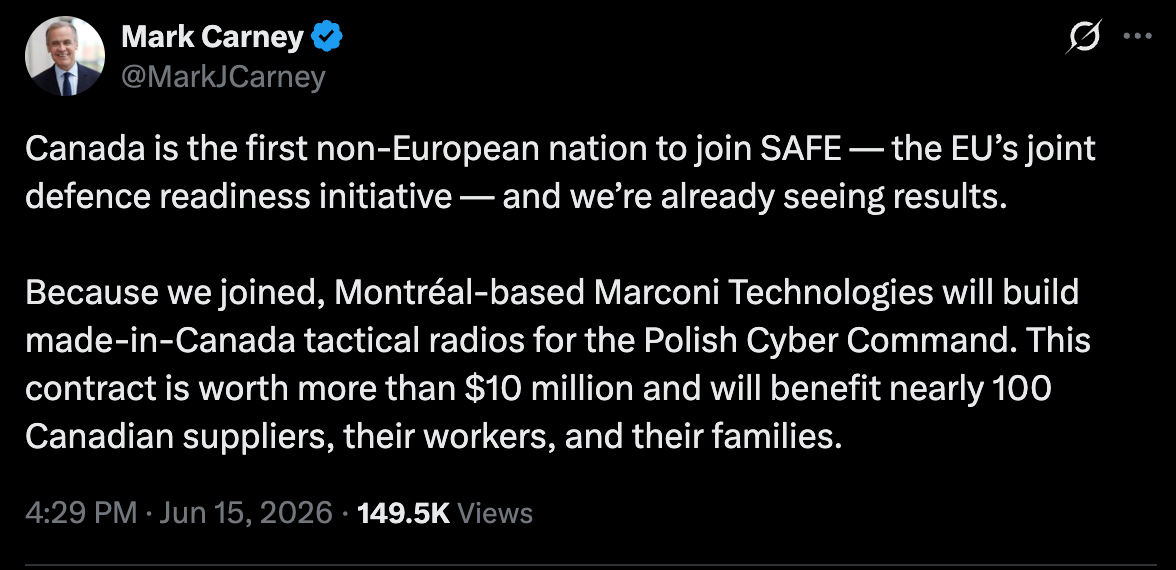
Canada is the first non-European country to participate in SAFE. Marconi is now the first Canadian company to win business under the agreement.
I spoke with Marconi CEO Alain Cohen about what this means for Canadian defence exports and how Marconi plans to work with Canadian startups and SMBs.
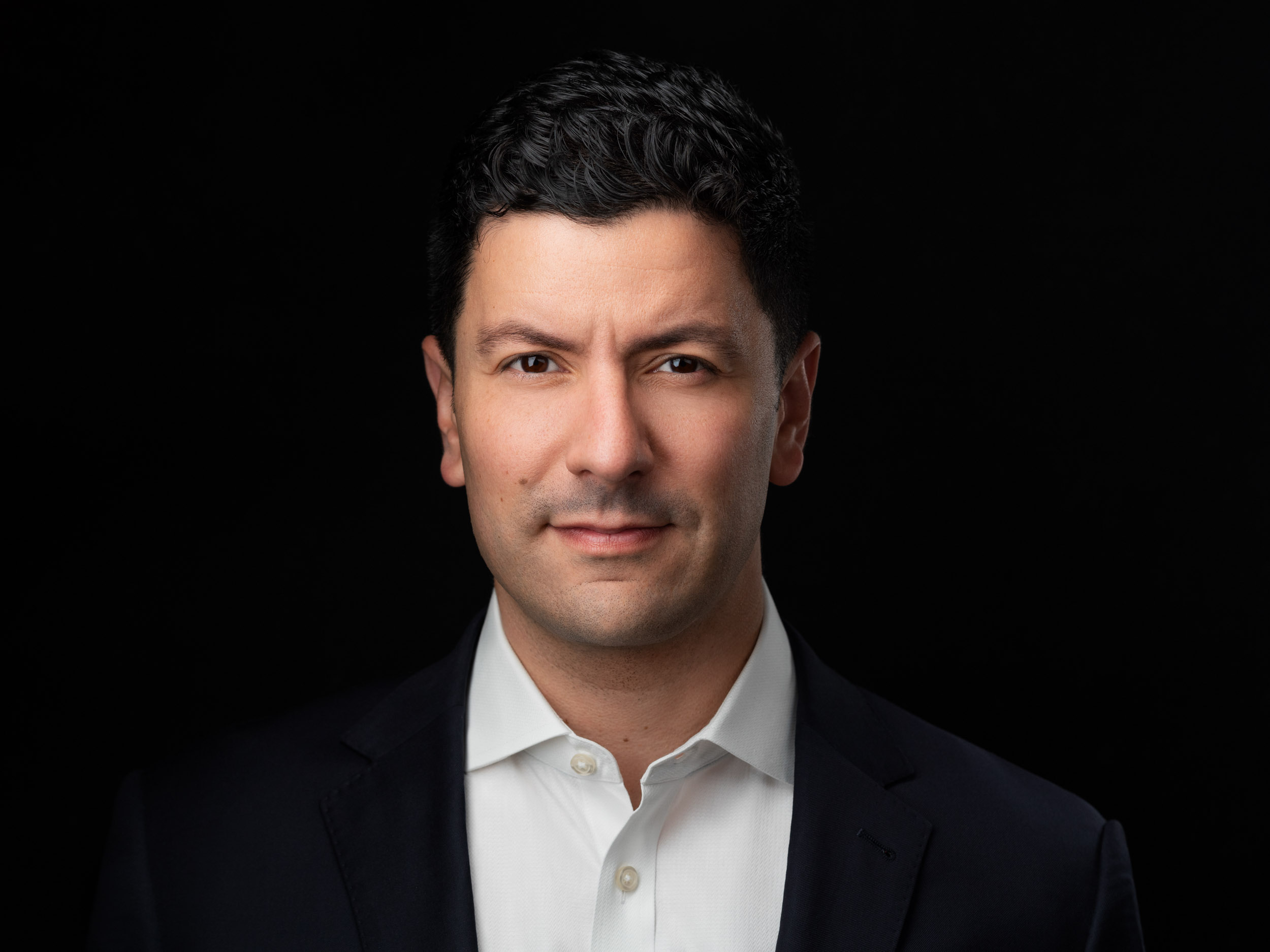
“We're like a 123-year-old startup right now.” — Alain Cohen
What is Marconi?
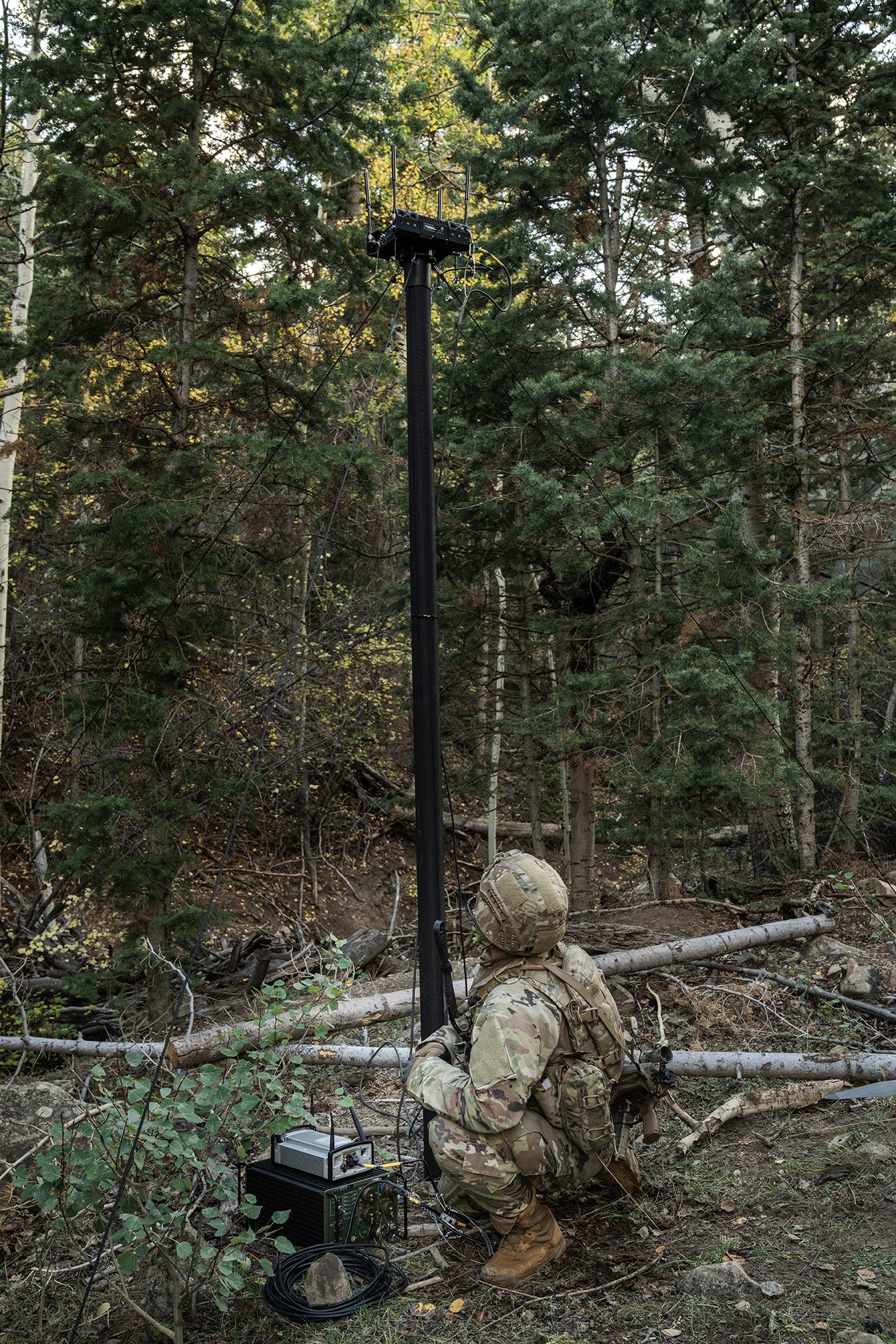
“Last month, in May, we basically carved out the division that I was running at Ultra I&C, which is a defence and dual-use company. We carved out the Tactical Communications division. That means our operations that were already here in Montreal, designing, developing, and manufacturing Orion radios and Archer troposcatter terminals, as well as our UK business located in Tring, which was manufacturing Hunter SATCOM terminals, will be coming under one brand name.”
How significant is this SAFE contract for the Canadian defence market?
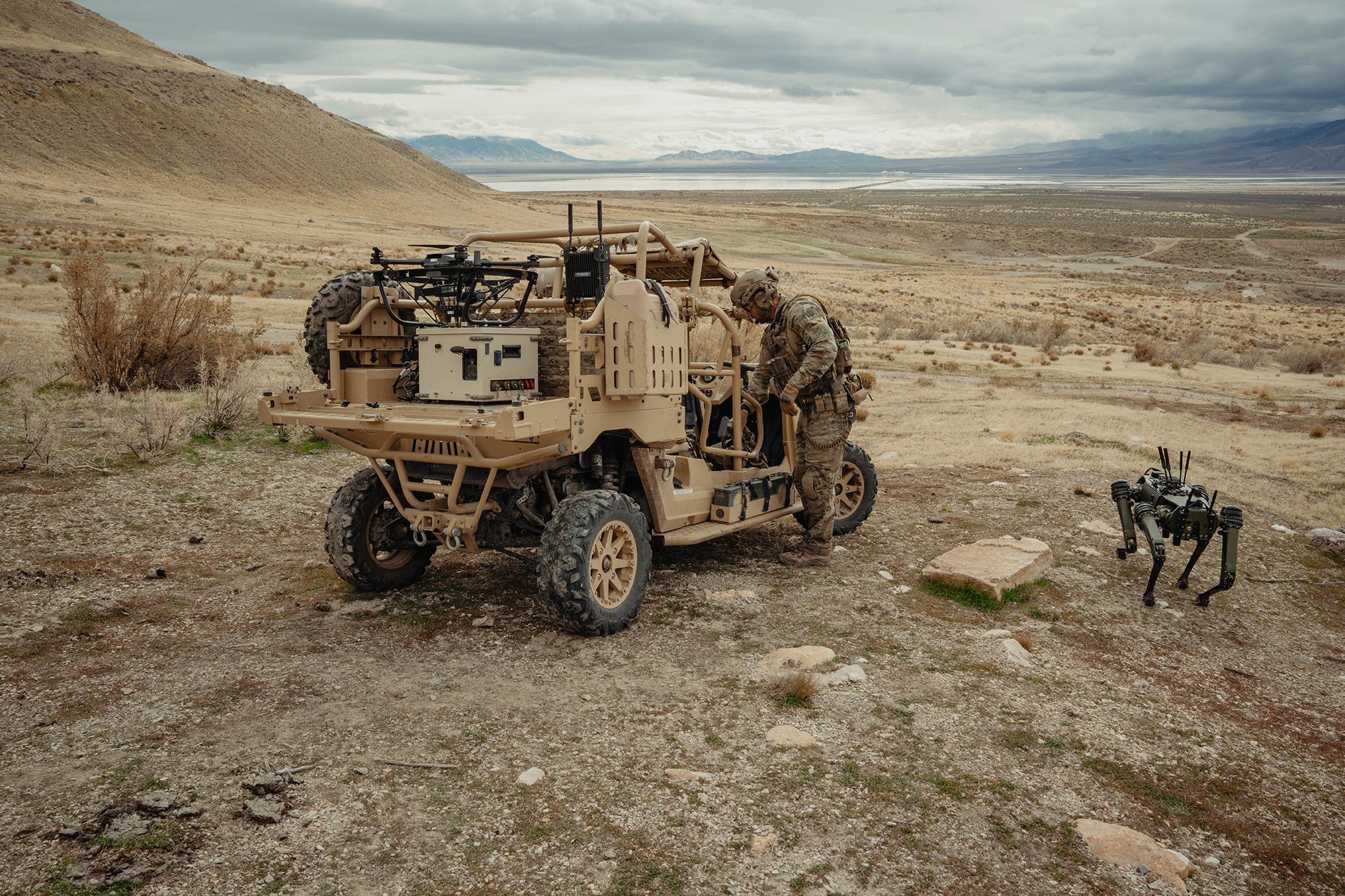
“For us, the SAFE contract is a big one because Poland is a really strategic market. It's our second win in Poland, but definitely the first one where our products are being pulled through SAFE funding with the Polish partner. And yes, it was the first one for a Canadian company, so that's really exciting. We were really grateful for the support of the Canadian government, trade commissioners, Global Affairs Canada, and the defence attachés as well. It's really a team effort when it comes to exporting defence and dual-use products. What it does for us is that it lands our very latest-generation tactical radio with a very good client and customer who is very sophisticated on the Eastern Front.
We look forward to more opportunities being created through SAFE for other Canadian exporters, too. We're pulling along the supply chain with us, as the announcement mentioned.”
What must a Canadian founder understand before selling into Europe?
“First of all, nothing substitutes for going on the ground and seeing for yourself. If you're a startup leader or entrepreneur, you've got to hear the client firsthand. You've got to walk a few days in their shoes. In the defence industry, you literally do that by going out in the field and seeing where the problems are and what needs to be solved. You need to develop that end-user empathy very deeply. Once you do that, a European client will see that you're invested, personally keen to solve their problems, and responsive. That's where a relationship begins, and that does matter.
Finding a local partner is the next most important thing. You cannot do it alone. Some markets are very idiosyncratic. Some have complex and specific acquisition rules subject to that jurisdiction. You need trustworthy local partners who can help you navigate, are technically competent, and are credible with the end user. I'd say that's the second thing that matters most.
The third is knowing that the Government of Canada has really stepped up. We're seeing our government take a whole-of-government approach. Trade commissioners, defence attachés, and embassies are great resources to help Canadian entrepreneurs when there is a good market fit. There will be forums and opportunities like sponsored trade shows. You don't need a huge booth to be present, but getting known through those forums does spark conversations with potential local clients.”
What relationship does Marconi want with Canadian startups?
“Partnering with startups is absolutely something we do. I’ll share a personal story. Last night I was working at a coffee shop until about 11 o’clock. I was walking home, and somebody pinged me from California, a Canadian expat in his late twenties developing a really cool counter-UAS technology, but thinking of entering the Canadian market and looking for help on the communications side. I took the call right away. We’re in touch now, and we’re going to see how we can help them create resilient links for their new products.
We're always open to anything that makes sense, but I know what I'm not looking for right now: a strict supplier-client relationship. I think those are things of yesterday. Sometimes, depending on the tier of the component, you do need a relationship that is more commodity-based, but that's by exception.
What we're looking for are partnerships that push the technology. Our engineers feed on challenge. If a partner, an SME, or a startup comes in and says, "We've got this really cool technology, but we're looking to solve a difficult communications challenge or a data-fusion challenge," we can do that. That's going to push our engineers and keep pushing our engineers. It creates a problem-solving dynamic for both sides, and we feed on that.”
30 Startups for a Sovereign Canada | Canadian30

Canada is recognizing the need for national sovereignty through hundreds of billions of dollars in generational investments, such as the Defence Industrial Strategy, the Canada Strong Fund, and its new National Artificial Intelligence Strategy. According to The Canadian Shield Institute, Canada's defence spending is projected to increase
What does Marconi look for in a startup partner?
“There are a few things that will always catch my eye.
The first is: does the startup or new partner introduce a potential new concept of operation that we hadn't thought of before? Basically, is there a new type of application that we can help solve for? That is exciting. It gets us going and accelerates our own roadmaps and technological advantage.
The second thing is: Is there an IP nugget that we haven't developed before? Something where you say, "Wow, that's really clever. I wish we could partner with them, because that plus our thing equals three." That's the IP gap you're looking to fill.
The third one is talent. I love working with really talented people, and my team is the same way. Sometimes it's almost agnostic to what product line or application they're in. If the talent is there, there are always sparks that lead to good outcomes. We like to surround ourselves with partners who can push thinking and unlock things together.”
Why operate in Canada?
“Marconi established a corporation here in 1903, and it was a well-known name in the industry for a very long time until it was sold to foreign interests. I joined five years ago. Bringing this division under Canadian ownership was never going to be a sure-shot outcome. It was just, "At some point, this company will be sold, because that's what investors do with portfolio companies." The question was: wouldn't it be nice if, in addition to finding a good home, that home, from a headquarters and ownership standpoint, was in Canada? That has been a dream for many of the employees in the company, and certainly for me too. We could have sold to another strategic investor. But what an amazing outcome that we brought this back home to Canada.
The underlying theme is that it was a little bit mission-driven, too. We felt like Canada needs some anchors. We have the ambition to grow this company into a globally recognized, Canadian-headquartered and Canadian-owned technology company at scale. Historically, we succeeded as a business, and I'm going to be really frank here, despite being in Canada, while being in the defence industry. We had to be that good from an IP standpoint for clients around the world to come and buy from us. The defence industry can be cyclical. When you're in a trough, sovereign primes in other countries have their home market to fall back on. We never had that. The IP had to be that much better. We will continue using our IP advantage as the number-one differentiator.
We have a purpose and mission to bring the ecosystem along with us. I really do mean that. We'll be exporters, and they'll be re-exporters by virtue of that. Last year, we were still exporting about 90 percent, if not 95 percent, of our revenue. That's a big deal. From an economic-impact standpoint, the multiplier on exports, especially IP-intensive exports, is very high. We're proud of that contribution to the overall economy.
There’s a societal effect around the acceptability of investing in defence. When I worked at Export Development Canada, supporting defence companies was a no-go. It’s a complete 180.”
Are there any particular early-stage companies or startups operating in Canada's national interest that you're watching?
“I want to watch as many of them as I can. I'm inspired by the grit, audacity, boldness, desire to innovate, and desire to build on the competitive advantages we may already have. I've met with rocket companies and companies doing things you never thought were possible here.
My message to you, Ethan, more than an answer, is that what you're doing here is amazing. You are creating awareness and education. My note to the ecosystem and startups is: if you think there is a fit to work together, don't hesitate. We're here, and we want to work with you.
I don't want to call out favourites. What I'll do is name companies I've spoken with very recently. I want to shout out to the team at ARA Robotics. Sentinel as well. I think they're absolutely crushing it, and we look forward to collaborating. There is also a Montreal-based firm with quite a few years under its belt, but it is now picking up and taking off: Octasic. I'm really impressed with how it is breaking through markets in Europe, the United States, and Canada.”
If you’re building something in Canada, I want to hear about it. contact@ethanmarcoux.com
Countering Drones With Sound | Parth Mahendru — Explorer Spotlight #4

Prandtl Dynamics began in 2023 as a student team building counter-drone technology. It has since placed second at two Department of National Defence Counter-UAS Sandboxes, earning $750,000 in total DND prize money. The company is now deploying its systems at universities and airports and expects to soon reach 600 units across over 150 to 200 deployments.

